
DENTIST IN NEUTRAL BAY | TEETH GRINDING & CLENCHING
Bruxism & Night Guards at Oaks Dental
Protecting your smile from night-time grinding and clenching
Waking up with jaw tension, headaches, or chipped teeth is more common than many people realise. These symptoms often point to bruxism — the unconscious clenching or grinding of your teeth, usually while you sleep. Over time, this habit can affect the way your teeth look, feel, and function, and may contribute to jaw pain or headaches. At Oaks Dental, we offer gentle, evidence-based solutions to protect your teeth and support more comfortable mornings.

What is Bruxism?
Bruxism is the involuntary grinding, clenching, or bracing of the teeth. It can occur during the day, but it is most common at night when you’re unaware of the habit. Some people grind loudly, while others simply clench with great force — both can cause significant wear, tooth fractures, muscle pain, and tension headaches.
Bruxism can affect anyone, including children, and is often linked to multiple factors, not just stress alone. Understanding the underlying cause helps us create a targeted, personalised plan to protect your teeth and relieve symptoms.
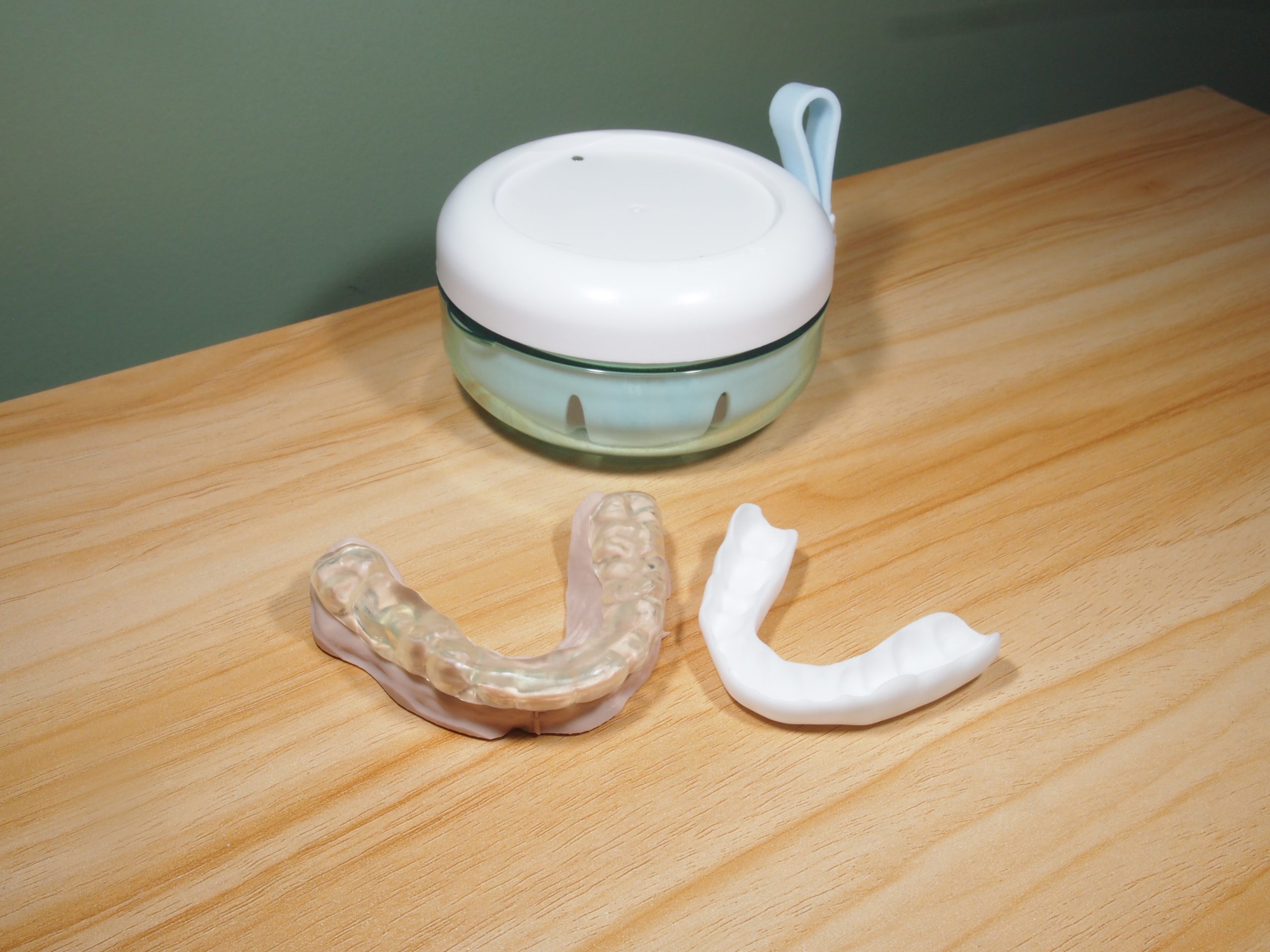
Bruxism Explained: Causes, Symptoms & Why Treatment Matters
Why do people grind or clench their teeth?
Bruxism may be triggered by one or more of the following:
- Stress or anxiety that increases muscle tension, especially at night
- Sleep-related breathing issues, such as obstructive sleep apnoea (OSA)
- Bite imbalance, jaw misalignment, or missing teeth
- Lifestyle factors, including caffeine or alcohol close to bedtime
- Certain medications that heighten nervous system activity
- Genetic predispositions, often seen in families
Whatever the cause, bruxism places high pressure on teeth and muscles — often 3–4 times stronger than normal chewing.
Common symptoms of Bruxism
You may have bruxism even if you don’t realise it. Common signs include:
- Morning jaw or temple headaches
- Tight or tired jaw muscles
- Flat, chipped, or worn teeth
- Tooth sensitivity
- Cracked fillings or broken dental work
- Notches near the gumline (abfraction lesions)
- Clicking or discomfort in the jaw joint
- Disturbed sleep or restlessness
- Partners noticing grinding sounds at night
Without treatment, bruxism can lead to ongoing discomfort, fractures, or TMD (jaw dysfunction).
How is Bruxism Managed?
Management depends on the underlying cause and your symptoms. Treatment may include:
- Custom night guards (occlusal splints) to protect your teeth
- Muscle relaxation strategies or physiotherapy referral
- Assessment of airway or sleep quality, especially if related to OSA
- Correction of bite imbalance, when clinically indicated
- Guided habit awareness for daytime clenching
- Support for stress-related clenching, such as relaxation tools
The goal is to reduce muscle strain, protect your enamel, and improve comfort.
How do I know if Bruxism is damaging my teeth — and when do I need a Night Guard?
A night guard is recommended when:
- You wake with jaw pain or fatigue
- You have worn or cracked teeth
- You experience repeated chipped fillings
- Your dentist identifies flattening, enamel wear, or bite changes
- You clench heavily during stressful periods
- You snore or have symptoms of disturbed sleep
Night guards help distribute biting forces, reduce muscle tension, and shield your teeth from further damage.
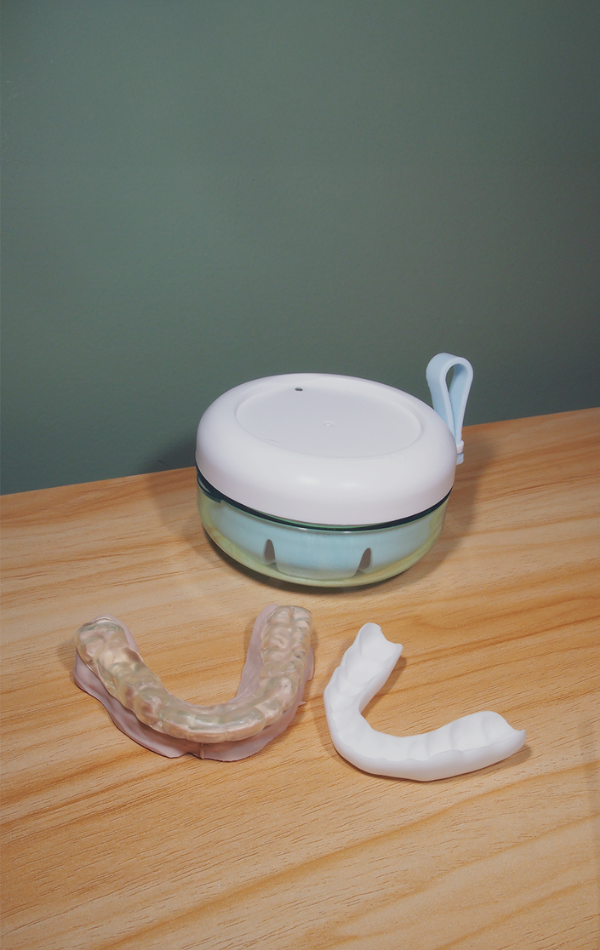

Why choose Oaks Dental for your night guard?
At Oaks Dental, we design custom night guards using high-precision 3D digital scans for exceptional comfort and accuracy. Our clinicians are experienced in bruxism, TMD, and dental sleep health, allowing us to assess not just the grinding itself, but the contributing factors behind it.
Our custom night splints are:
- Tailored precisely to your bite
- Comfortable, slimline, and easy to wear
- Made from durable materials designed to last
- Effective in reducing clenching forces
- Helpful for easing morning headaches and muscle pain
We take a holistic approach, looking beyond your teeth to understand how your jaw, airway, posture, and daily habits influence bruxism.
FAQs – Bruxism & Night Guards
1. How do I know if I’m grinding my teeth at night?
Most people aren’t aware of their grinding. Symptoms like morning jaw pain, headaches, sensitive teeth, or wear marks are common indicators. A dental examination provides the most reliable diagnosis.
2. Can stress alone cause me to clench or grind?
Stress is a major trigger, but bruxism can also relate to sleep disorders, bite imbalance, posture, or certain medications. Identifying the underlying cause helps guide better treatment.
3. What’s the difference between a custom night guard and one from the chemist?
Over-the-counter guards are generic and often bulky. A custom night guard fits your bite precisely, is more comfortable, and provides far better protection against clenching forces.
4. Will a night guard stop me from grinding?
Night guards don’t stop the habit itself, but they protect your teeth, reduce muscle load, and often ease symptoms like headaches and jaw pain.
5. Can bruxism damage my teeth if left untreated?
Yes. Ongoing grinding can cause fractures, worn enamel, chipped fillings, and even changes to the way your teeth fit together.
6. Are night guards uncomfortable to sleep with?
Most patients adapt quickly. Because they’re custom-made, they feel secure, stable, and far more comfortable than store-bought options.
Disclaimer
The information provided is general in nature and does not constitute personal dental or medical advice. A comprehensive assessment with a registered dental practitioner is required to diagnose bruxism and determine appropriate treatment options.
Teeth grinding and clenching may have multiple contributing factors, including dental, medical, and lifestyle influences, and may require assessment by other qualified health professionals. Night guards and other treatments aim to manage symptoms and protect teeth, but outcomes vary between individuals.
All treatments carry risks and may not be suitable for every individual.
Ready to wake up pain-free?
If you’re experiencing jaw tension, headaches, or signs of tooth wear, a night guard may help protect your smile and support more restful sleep. At Oaks Dental, we’ll guide you through your options and create a personalised plan that prioritises your comfort, health, and long-term wellbeing.