
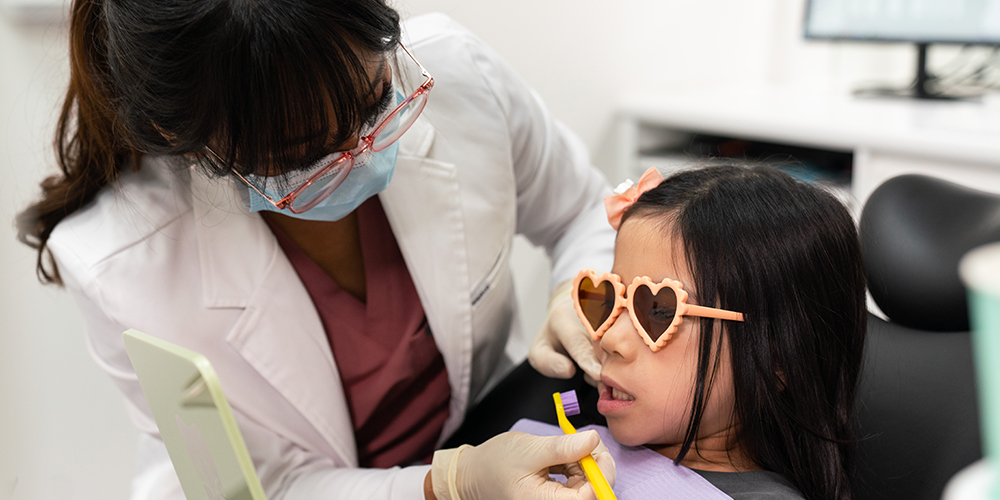
Have you ever caught yourself rushing through brushing your teeth while thinking about your morning coffee or your late meeting? Most people assume that as long as they brush twice a day, they are doing enough. The reality is that brushing technique plays a significant role in plaque removal, gum health, enamel protection and long term preventative dentistry. It is not just about owning a toothbrush. It is about how you use it.
Brushing is one of the most important parts of any oral hygiene routine. When done correctly, it supports tooth decay prevention, gingivitis prevention and overall oral hygiene maintenance. When done incorrectly, even with the best fluoride toothpaste and a soft bristle toothbrush, plaque can remain around the gumline and between teeth.
Why Does Brushing Technique Influence Plaque Removal and Gum Health?
Plaque is a sticky film that forms naturally on tooth surfaces. If not disrupted effectively, it can contribute to gum inflammation and decay. The way you angle your toothbrush and the pressure you apply determine how well you disrupt plaque along the gumline and across every tooth surface.
Positioning the bristles at approximately a 45 degree angle to the gumline allows you to target the area where plaque often accumulates. Using a circular brushing motion or small vibrating movements helps clean without causing unnecessary irritation. Excessive horizontal scrubbing, on the other hand, can increase the risk of enamel wear and gum recession.
Effective brushing technique supports:
- Plaque removal from outer, inner and chewing surfaces
- Protection of enamel from abrasion
- Gum health and reduction of inflammation
- Better tooth surface coverage
- Long term preventative oral care
Even brushing duration matters. Spending around two minutes brushing ensures that no section is rushed or missed, particularly the back molars which are commonly overlooked.
Are You Brushing Too Hard Without Realising It?
Many people believe that stronger pressure equals cleaner teeth. In reality, brushing pressure control is essential. Applying excessive force can contribute to enamel wear and soft tissue irritation. A soft bristle toothbrush combined with gentle pressure is generally more forgiving and helps protect both enamel and gums.
Common brushing mistakes include:
- Brushing too quickly
- Applying excessive pressure
- Missing the inner surfaces of teeth
- Ignoring the gumline
- Failing to clean the tongue
These small habits can accumulate over time. A consistent oral hygiene routine that includes mindful technique makes a measurable difference in maintaining oral health.
How Does Correct Angle and Motion Improve Enamel Protection?
Enamel is the outer protective layer of your teeth. Although it is strong, it can be worn down by abrasive brushing. A circular brushing motion with a soft bristle toothbrush supports plaque disruption while maintaining enamel integrity.
Brushing after meals is helpful, but if you have consumed acidic foods or drinks, it is sensible to wait before brushing. This helps protect enamel that may be temporarily softened. Fluoride toothpaste use further assists enamel protection as part of daily preventative dentistry.
Below is a summary of key technique elements and why they matter.
| Technique Element | Why It Matters | Risk If Incorrect |
| Angle to gumline | Helps disrupt plaque near gums | Gum irritation or plaque build-up |
| Gentle pressure | Protects enamel and soft tissue | Enamel wear or gum recession |
| Full surface coverage | Reduces plaque retention areas | Increased decay risk |
| Adequate duration | Allows thorough cleaning | Incomplete plaque removal |
Does Manual Versus Electric Brushing Change the Importance of Technique?
Whether you use a manual or electric toothbrush, technique still plays a role. Electric brushes can assist with brushing consistency and may include timed brushing features or pressure sensors. However, they are not a substitute for mindful positioning and full surface coverage.
Manual brushing requires user controlled motion. Electric brushing relies on motor assisted movement, such as oscillating brush heads or sonic toothbrush technology. In both cases, correct placement along the gumline and thorough coverage of all tooth surfaces remain essential.
| Feature | Manual Toothbrush | Electric Toothbrush |
| Motion Source | User controlled | Motor assisted |
| Timer Assistance | No built-in timer | Often includes timer |
| Pressure Monitoring | User awareness required | Some models include sensors |
| Suitability | Most individuals | May assist specific needs |
| Preventative Role | Effective with correct use | Effective with correct use |
What Does Broader Preventative Care Involve Beyond Brushing?
Brushing technique is only one part of preventative dental care. Interdental cleaning, such as flossing, addresses areas that brushing alone may miss. Regular dental check ups support early identification of changes in gum health or enamel wear.
Brushing consistency, tooth surface coverage and interdental cleaning together form a strong foundation for oral hygiene maintenance. Individual needs vary depending on factors such as orthodontic appliances, tooth sensitivity or gum recession.
Where Can You Get Personalised Advice That Fits Your Oral Health Needs?
At Oaks Dental, preventative care is approached with attention to detail and personalised guidance. Rather than focusing only on procedures, the emphasis is on supporting patients with practical oral hygiene advice tailored to their specific circumstances. From demonstrating correct brushing technique to discussing brushing pressure control and fluoride toothpaste use, the team provides clear explanations in everyday language.
Oaks Dental prioritises education, helping patients understand the link between brushing method, plaque control and long term gum health. Whether you use a manual toothbrush or an electric toothbrush, your technique and daily routine can be reviewed and refined in a supportive setting. Preventative dentistry is not about perfection. It is about steady habits that protect enamel and maintain oral health over time.
References
Australian Dental Association
https://www.ada.org.au/Dental-Health-Week
Australian Government Department of Health and Aged Care Oral Health Resources
https://www.health.gov.au/topics/oral-and-dental-health
National Health and Medical Research Council Fluoride Guidelines
https://www.nhmrc.gov.au/health-advice/public-health/water-fluoridation
Frequently Asked Questions
How long should I brush my teeth each time?
Brushing for around two minutes helps ensure all tooth surfaces are covered properly.
Is a soft bristle toothbrush better for everyone?
Soft bristles are generally suitable for most adults and children, particularly for gum protection and enamel care. Individual recommendations may vary.
Can brushing too hard damage my teeth?
Excessive pressure can contribute to enamel wear and gum irritation over time.
Do electric toothbrushes clean better than manual ones?
Both can be effective when used correctly. Electric toothbrushes may support brushing consistency through timers and pressure sensors.
Should I brush straight after eating?
If you have consumed acidic foods or drinks, waiting briefly before brushing may help protect enamel.
Is brushing alone enough for good oral hygiene?
Brushing is essential, but interdental cleaning and regular dental examinations are also important parts of preventative care.
Disclaimer
All dental procedures involve potential risks and benefits. The information provided in this blog is general in nature and should not be taken as medical advice. We recommend that you seek guidance from a suitably qualified health professional before making decisions about your oral health. Where appropriate, you may also wish to consider obtaining a second opinion.
Any images or videos featured are shared with the informed consent of our patients and are intended for educational purposes only. They are not a guarantee of results, as every patient is unique. Treatment outcomes — including recovery, potential complications, and effectiveness — can vary from person to person.