NEUTRAL BAY | GENERAL & PREVENTATIVE DENTISTRY
Tooth Extractions at Oaks Dental
Gentle, careful treatment when a tooth can no longer be saved.
At Oaks Dental, our goal is always to preserve your natural teeth whenever possible. However, there are times when removing a tooth is the healthiest and safest option. Whether due to decay, infection, gum disease, trauma, or wisdom tooth complications, an extraction can help relieve discomfort, prevent the spread of infection, and protect your long-term oral health.
Our approach is gentle, reassuring, and centred on your comfort. We take the time to explain what’s happening, why the extraction is recommended, and what to expect during and after the procedure.
When does a tooth need to be removed?
There are several reasons your dentist may recommend an extraction. While every case is unique, common situations include:
1. Severe decay or structural damage
If a tooth is extensively decayed or fractured beyond repair, treatment options such as fillings or crowns may no longer be possible.
2. Infection that cannot be resolved
In cases where infection has reached the nerve or surrounding bone and cannot be treated with root canal therapy or medication, removal may be required to protect your overall health.
3. Advanced gum disease
Periodontal disease can weaken the bone supporting the teeth. When support is lost, the tooth may become mobile and extraction may be the most appropriate next step.
4. Impacted or problematic wisdom teeth
Wisdom teeth that grow sideways, become trapped under the gum, or create repeated infections may need to be removed.
5. Orthodontic or developmental reasons
In some cases, teeth may be extracted to improve spacing, correct severe crowding, or assist in the development of the bite.
Regardless of the reason, your dentist will always discuss alternative options and only recommend extraction when it is in your best interest.
Is a tooth extraction painful?
The procedure itself is not painful. At Oaks Dental, we use a combination of strong numbing gel and local anaesthetic to ensure the area is completely numb before treatment begins. You may feel pressure or movement, but not sharp pain.
After the extraction, it’s normal to experience some discomfort or swelling as the area heals. Your dentist will explain what sensations are expected and provide guidance to help you manage them safely and comfortably.
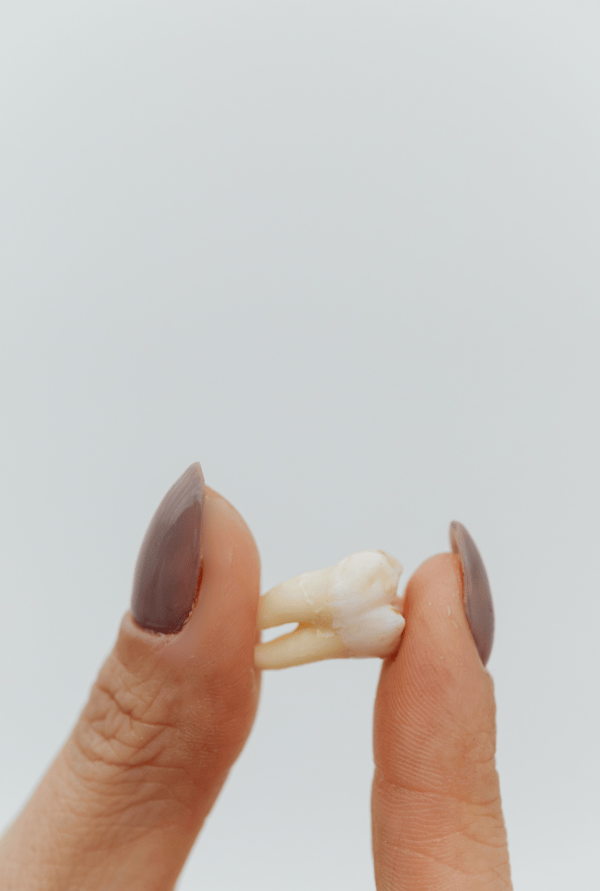
What to expect during your tooth extraction at Oaks Dental
We understand that the idea of having a tooth removed can feel overwhelming. Our team focuses on creating a calm, supportive environment and walking you through each step with clarity and reassurance.
1. Initial Consultation and Assessment
We begin with a thorough examination, including X-rays, to understand the condition of the tooth, roots, surrounding bone, and any infection present.
Your dentist will explain:
- Why the extraction is recommended
- What other options may exist
- What the procedure involves
- What to expect afterwards
This ensures you feel informed, prepared, and confident before moving forward.
2. Local Anaesthetic
To ensure your comfort, we apply a strong numbing gel to pre-numb the area, followed by local anaesthesia. You will be fully numb before we begin.
3. Gentle Removal of the Tooth
Extraction does not involve “pulling” the tooth forcefully. Instead, we apply gradual, controlled pressure to loosen the tooth from its socket. This gentle approach:
- Reduces strain on the jaw
- Minimises trauma to surrounding tissues
- Supports better healing
The tooth is then carefully lifted out once fully loosened.
4. Aftercare and Healing Guidance
After the procedure, your dentist will provide personalised instructions to support healing. This may include:
- Rest recommendations
- Medication guidance
- Applying cold compresses for swelling
- Eating soft foods
- Avoiding certain activities for the first few days
If appropriate, antibiotics or pain relief may also be prescribed.
We remain available to answer questions or address concerns during your recovery.
Frequently Asked Questions
1. How long does it take to recover after an extraction?
Most people feel significantly better within a few days. The gum typically begins healing quickly, but full tissue recovery can take a couple of weeks.
2. Can I drive after a tooth extraction?
If your procedure is done with local anaesthetic only, you can usually drive afterward. Your dentist will confirm based on your individual circumstances.
3. What can I eat after the procedure?
Soft foods such as yoghurt, soups, mashed vegetables, and smoothies are recommended for the first day or two. Avoid hot, crunchy, or chewy foods until the area begins to heal.
4. When can I brush my teeth again?
You may brush as normal, avoiding the extraction site for the first day. Your dentist will give you advice tailored to your healing progress.
5. What should I do if the extraction site bleeds?
Minor bleeding is normal. Biting on a clean gauze pad for 20–30 minutes usually helps. If bleeding continues, contact our team for guidance.
6. Will I need to replace the extracted tooth?
Depending on the tooth and its location, your dentist may discuss options such as implants, bridges, or partial dentures. This conversation typically occurs once the area has healed.
Disclaimer
Tooth extraction is recommended only when a tooth cannot be predictably restored or when removal is in the best interest of your oral health. While extractions are a common procedure, they may involve risks including pain, swelling, bleeding, infection, dry socket, delayed healing, or temporary or permanent nerve sensitivity depending on the complexity of the case.
Recovery times and experiences vary between patients. Your dentist will provide personalised advice on aftercare and healing expectations based on your individual situation.