
Patient education | Check-ups and cleans
What an Oral Health Therapist Does, and Why You Might See One
Oral health therapists are registered dental practitioners with a university degree of their own. What Belinda and Suejin can treat, and when you will see a dentist instead.
You book a check-up and clean, and the appointment comes back in the name of an oral health therapist rather than a dentist. It is a fair moment to wonder what that means. The short answer is that an oral health therapist is a registered dental practitioner with a university degree in the area they practise in, and for a great deal of everyday dental care they are exactly the right person to see.
What an oral health therapist is
Oral health therapists complete a three year university degree, in our team a Bachelor of Oral Health from the University of Sydney, and register with the Dental Board of Australia through Ahpra. They sit under the same registration standards as dentists: the same requirements for continuing professional development, recency of practice, professional indemnity and criminal history checks. You can look up any of us on the public Ahpra register.
The training has a particular flavour. It is built around prevention, early detection and minimally invasive care, which is to say catching things while they are small and keeping healthy mouths healthy. That is the majority of what walks through a dental practice door.
What they can treat
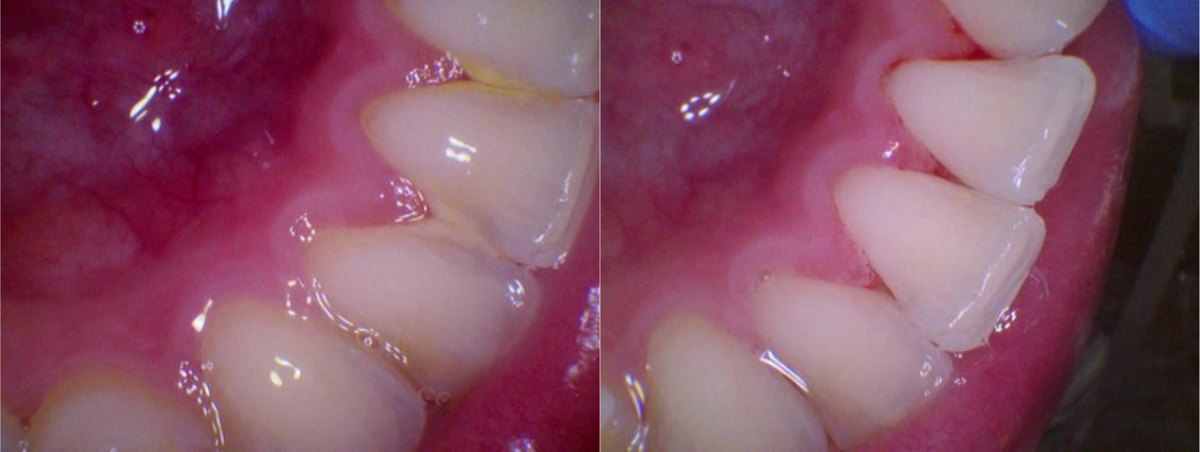
At Oaks Dental our oral health therapists provide:
- Examinations, including decay checks, soft tissue checks and x-rays where they are indicated
- Scale and clean, stain removal and fluoride
- Gum treatment and ongoing periodontal maintenance
- Fillings
- Fissure sealants and preventive care for children
- Children’s dentistry, including care under the Child Dental Benefits Schedule
- Coaching on brushing, flossing, diet and habits, which is the part that actually changes outcomes
- Screening for jaw growth, breathing and habit concerns in children, and flagging them early
- Simple orthodontic care during braces or clear aligner treatment, such as a bracket that has come loose or a wire causing irritation, carried out with the guidance of your dentist and within your existing treatment plan
- Myofunctional therapy: assessing how the lips, tongue and facial muscles are working and running the exercise programme that retrains them
Treatment that sits outside their scope, such as crowns, root canal treatment, adult extractions and implants, is done by one of our dentists. Because everyone works in the same practice and the same notes, that handover is a conversation rather than a referral letter.
Why both of ours treat adults as well as children
This is where there is genuine confusion, and it is worth being precise. The Dental Board of Australia sets scope of practice by what each practitioner has been educated and trained to do and is competent in, not by their title. Since the revised standard took effect in 2020, there is no regulatory requirement for an oral health therapist to work under a structured professional relationship with a dentist. Every dental practitioner, in every division, is responsible for their own decisions and treatment, and works as part of a team.
Some oral health therapists are trained to treat children and adolescents only. Both of ours have completed further training in adult restorative care, so their scope covers adults as well as children, and they assess, plan and treat within that scope in their own right. Practically, that means a family can see the same clinician: the eight year old, the fifteen year old and both parents.
Belinda Tuong

Belinda graduated from the University of Sydney in 2015 with a Bachelor of Oral Health, and has since built a career around preventive and family centred care, with further study in adult restorative dentistry. Since 2019 she has also taught in the University of Sydney’s Bachelor of Oral Health program as a clinical educator, supervising and mentoring students on the clinic floor.
That teaching role matters for the people she treats. Demonstrating a procedure to a student, and explaining why each step is done in that order, is a demanding way to keep your own technique honest. Her professional interests are early intervention, airway health and the link between oral development and overall wellbeing, and she is known in the practice for making dental visits easy for children. Read Belinda’s profile.
Suejin Jung

Suejin graduated with distinction from the University of Sydney and practises with adult scope, caring for patients of all ages. Her focus is early intervention, preventive dentistry and airway health, and she has a particular interest in gum health, working alongside a specialist periodontist and bringing that experience back into the way she manages gum disease here.
Gum disease is the area where that sort of interest pays off quietly. It is slow, largely painless and easy to miss, and what changes the outcome is careful measuring, thorough treatment and someone who keeps track of the numbers over the years. Having experienced dental anxiety herself as a child, Suejin takes a calm, unhurried approach with nervous patients. Read Suejin’s profile.
What this means for your appointment
Seeing an oral health therapist is not a shortened version of seeing a dentist. It is an appointment with a clinician whose training is concentrated on the preventive and early treatment side of dentistry, and who has the time to do that part properly. If something is found that needs a dentist, we will tell you what it is, show you, and arrange it with one of our dentists.
If you would like to book with Belinda or Suejin by name,
References
Dental Board of Australia. Scope of practice registration standard, effective 1 July 2020. dentalboard.gov.au
Dental Board of Australia. Guidelines for scope of practice. dentalboard.gov.au
Dental Board of Australia. FAQs: revised Scope of practice registration standard. dentalboard.gov.au
Dental Board of Australia. Dental hygienist, dental therapist and oral health therapist registration information. dentalboard.gov.au
Frequently asked questions
Is an oral health therapist the same as a dentist?
No. They are a different division of the dental profession, with a university degree and Ahpra registration of their own. Dentists have a longer degree and a broader scope, and there is a large overlap in everyday preventive and restorative care.
Can an oral health therapist treat adults?
It depends on their education, training and competence, which is how the Dental Board defines scope for every dental practitioner. Both of our oral health therapists have completed further training in adult care, so they treat adults and children.
What is the difference between a hygienist and an oral health therapist?
A dental hygienist is trained in preventive and periodontal care. An oral health therapist is trained in that plus the dental therapy side, which includes fillings and children’s treatment.
Will I still see a dentist?
When you need one. Crowns, root canal treatment, adult extractions and implants are done by our dentists, and we work from the same records, in the same practice.
Can my children be seen by an oral health therapist?
Yes, and children’s care is a large part of what they do, including treatment covered by the Child Dental Benefits Schedule for eligible children.
Can they help if a brace breaks or a wire is poking?
Often, yes. Our oral health therapists manage straightforward orthodontic problems of this kind with the guidance of the dentist looking after your treatment, and within the plan already in place, which usually means you can be seen sooner.
Do I need a referral to see one?
No. You can book directly.
About the authors
Dr Emily So and Dr Alice Shan are the principal dentists and co-owners of Oaks Dental in Neutral Bay. They are committed to providing thoughtful, evidence-based care that looks beyond treating individual teeth to support each patient’s overall oral health, function and wellbeing.
Disclaimer
All dental procedures involve potential risks and benefits. The information provided in this blog is general in nature and should not be taken as medical advice. We recommend that you seek guidance from a suitably qualified health professional before making decisions about your oral health. Where appropriate, you may also wish to consider obtaining a second opinion.
Any images or videos featured are shared with the informed consent of our patients and are intended for educational purposes only. They are not a guarantee of results, as every patient is unique. Treatment outcomes, including recovery, potential complications and effectiveness, can vary from person to person.
Want to book with Belinda or Suejin?
A check-up and clean, gum treatment, fillings and children’s care can all be done in the one appointment.