DENTIST IN NEUTRAL BAY | AIRWAY & SLEEP HEALTH
Airway & Sleep Health at Oaks Dental
Better sleep starts with better breathing
Good breathing and restful sleep are essential for your overall health and wellbeing. At Oaks Dental, our airway-focused approach looks beyond the teeth, we assess how your airway, jaw position, tongue posture, and breathing patterns work together to influence sleep quality, daytime performance, and long-term health.
Do I have Sleep Apnoea?
If you snore, wake up tired, or struggle with daytime fatigue or brain fog, you may have obstructive sleep apnoea (OSA). Our dentists are trained in airway-focused dentistry and dental sleep medicine, offering non-invasive treatment options tailored to adults. We also collaborate with sleep physicians to ensure you receive comprehensive care, often without relying solely on CPAP.

Snoring vs sleep apnoea what’s the difference?
Snoring
Occurs when airflow is partially blocked during sleep, causing vibrations in the throat.
Obstructive Sleep Apnoea (OSA)
Happens when the airway collapses during sleep, stopping airflow and lowering oxygen levels.
Ongoing snoring or untreated OSA can disrupt sleep, strain the heart, and affect overall health.

Sleep Apnoea Explained: Causes, Symptoms & Why Treatment Matters
Common Causes
- Narrow airway or enlarged tonsils
- Mouth breathing or poor tongue posture
- Recessed or underdeveloped jaws
- Chronic nasal congestion or allergies
- Excess body weight
Signs you may have Sleep Apnoea
- Loud snoring
- Waking up gasping or choking
- Morning headaches or dry mouth
- Daytime fatigue despite adequate sleep
- Difficulty concentrating or memory issues
- Low mood or irritability
Why Treatment Matters
Untreated sleep apnoea may contribute to:
- Chronic fatigue
- Mood disturbances
- High blood pressure and heart strain
- Increased risk of stroke or diabetes
- Lowered quality of life
Restoring healthy airflow improves sleep quality, daytime function, and overall wellbeing.
How dentists can help with Sleep Apnoea
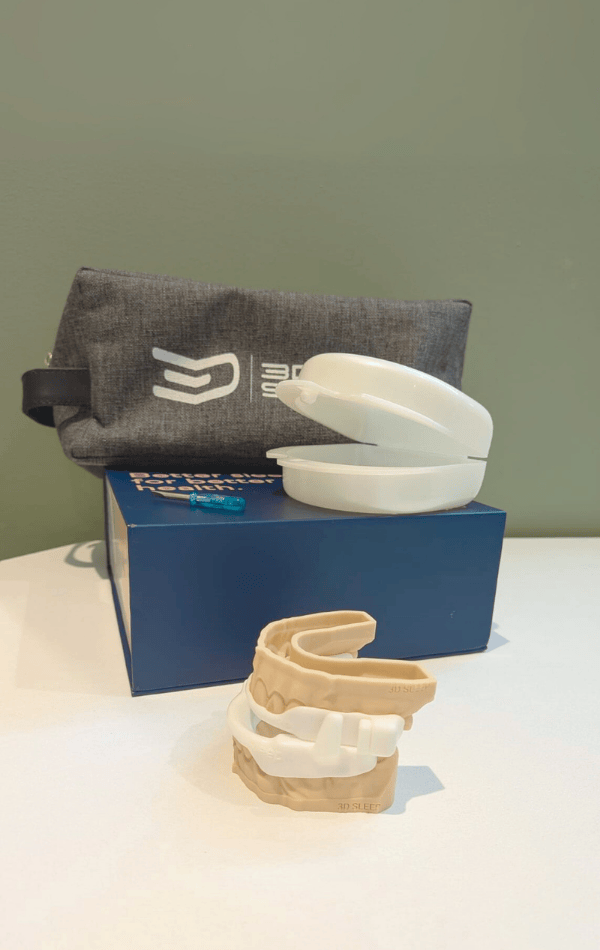
Mandibular Advancement Splints (MAS)
A MAS is a custom-made dental device worn while sleeping. It gently moves the lower jaw forward, preventing airway collapse.
Benefits include:
- Comfortable and easy to wear
- Removable and hygienic
- Quiet and travel-friendly
- Effective for snoring and mild–moderate OSA
- Custom-designed for a precise, adjustable fit
Why choose Oaks Dental for Airway & Sleep Health
Airway-trained clinicians experienced in dental sleep medicine
Holistic, collaborative care with sleep physicians and medical specialists
Personalised, evidence-based treatment plans
Gentle, supportive environment with clear guidance at every step
At Oaks Dental, we support healthier breathing, better sleep, and improved long-term wellbeing.

When to see a dentist
If you experience snoring, airway restriction, jaw discomfort, or symptoms of poor sleep, a dental airway assessment can help identify contributing factors and guide you towards the appropriate treatment or referral.
Airway & Sleep Health FAQs
1. How do I know if my snoring is harmless or a sign of sleep apnoea?
If snoring is loud, persistent, or accompanied by gasping, choking, or daytime fatigue, it may indicate sleep apnoea. A professional assessment can help determine the cause.
2. Do I need a sleep study to confirm sleep apnoea?
Yes. A diagnosis requires a sleep study. If indicated, we can refer you for a home-based or in-clinic sleep assessment.
3. Are mandibular advancement splints effective?
Yes — MAS devices are proven effective for snoring and mild–moderate OSA by helping keep the airway open during sleep.
4. Can I use a MAS device if I grind my teeth?
In most cases, yes. Many devices are designed to accommodate bruxism. We’ll assess your bite and jaw movement to confirm suitability.
5. Is CPAP always necessary?
No. CPAP is typically recommended for severe OSA. Mild–moderate cases may respond well to MAS therapy or other conservative treatments.
6. When should I seek help for snoring or poor sleep?
If symptoms affect your daily energy, concentration, or mood — or if your partner notices pauses in your breathing — it’s important to seek assessment.
Disclaimer
The information provided is general in nature and does not constitute personal dental or medical advice. A comprehensive assessment with a registered dental practitioner, and where appropriate a medical practitioner or sleep physician, is required to assess your individual condition and determine suitable management options.
Obstructive sleep apnoea is a medical condition that typically requires formal diagnosis through a sleep study. Dental assessment alone cannot diagnose sleep apnoea.
All treatments carry risks, and outcomes vary between individuals. Your practitioner will discuss the risks, benefits, and alternative options before proceeding. You should consider seeking a second opinion from an appropriately qualified health practitioner before proceeding.
Ready to breathe better and sleep well?
If you’re experiencing snoring, fatigue, or signs of sleep apnoea, we’re here to help you understand your options and find the right path toward better sleep.