
Patient education | Check-ups and cleans
What a Check-Up and Clean Actually Includes
Most of a check-up is the part you can’t see. What we are looking for, and why yearly check-ups are not the right gap for everyone.
“A check-up and clean” is one of those phrases everyone uses and nobody defines. Most people picture a quick look and a scrape. There is a fair bit more to it, and knowing what’s in it makes it easier to tell whether you’re getting it.
The medical history, which isn’t a formality
We ask about conditions and medications every visit, not just the first, because both change. Blood pressure medications, antidepressants, antihistamines and inhalers can all reduce saliva, and saliva is the single biggest protective factor your mouth has. Blood thinners change how we handle a procedure. Diabetes and gum disease each make the other worse. A two-minute conversation regularly changes what we recommend.
The examination, in order
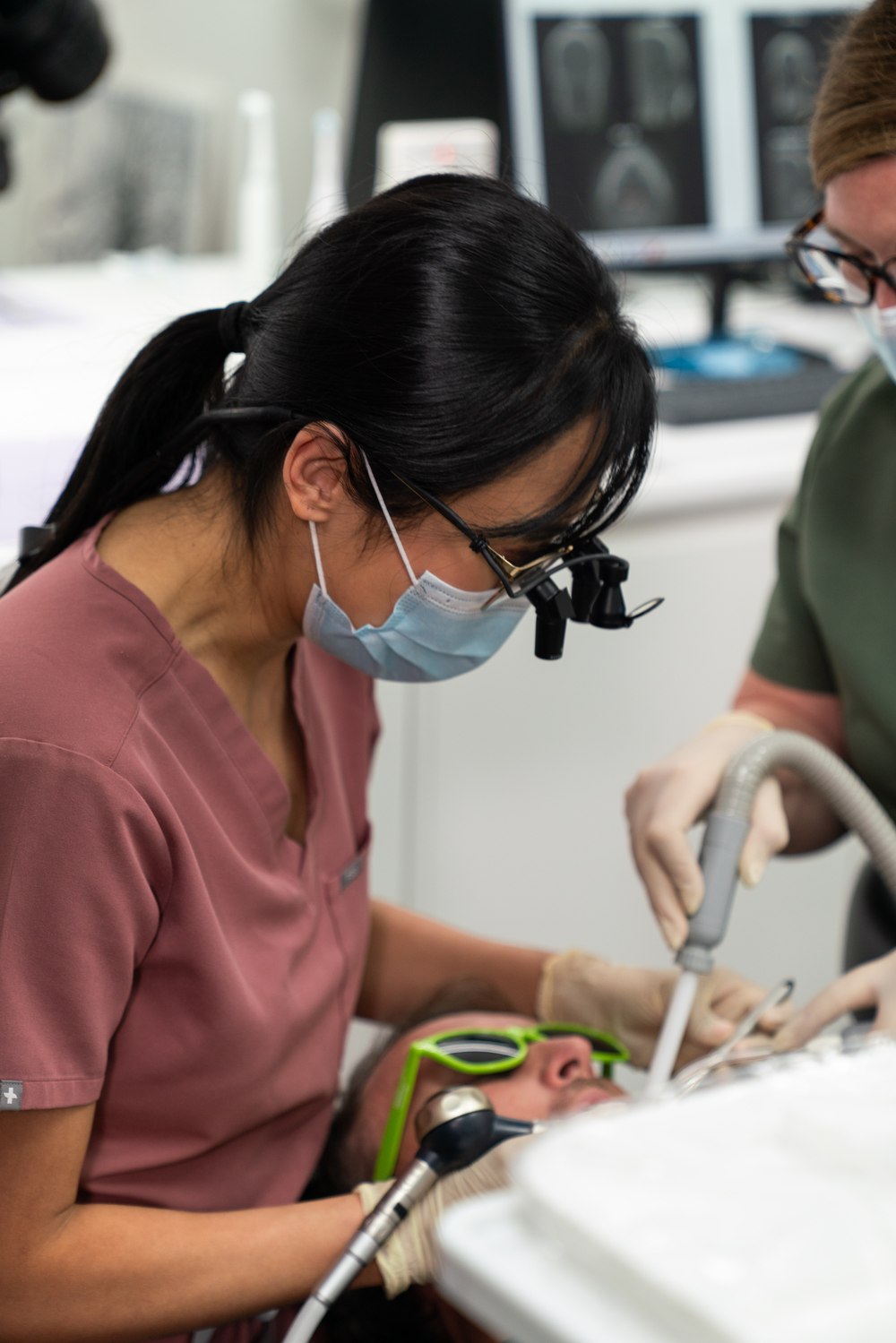
- Outside first. Face, neck, lymph nodes, and the jaw joints: how far the jaw opens, whether it deviates, whether it clicks.
- Soft tissues. Cheeks, lips, tongue including underneath and the sides, floor of the mouth, palate and throat. We are looking for ulcers, patches or lumps that should not be there, including anything that could be an early oral cancer. We do it every visit, without announcing it, and it takes about ninety seconds. Changes found early are more treatable, and it is the part of the appointment most people never notice happening.
- Tooth by tooth. Decay, cracks, wear patterns, and the condition of existing fillings and crowns: most restorative work has a lifespan and it’s better to plan for a failing filling than to be surprised by it.
- Gums, with numbers. A fine probe measures the depth of the space between gum and tooth at points around each tooth. Up to about 3mm is healthy. Deeper means detachment. This is the only way to detect gum disease before teeth loosen, because it is painless until quite late.
- The bite. How the teeth meet, whether wear is landing unevenly, and whether the pattern suggests grinding or acid.
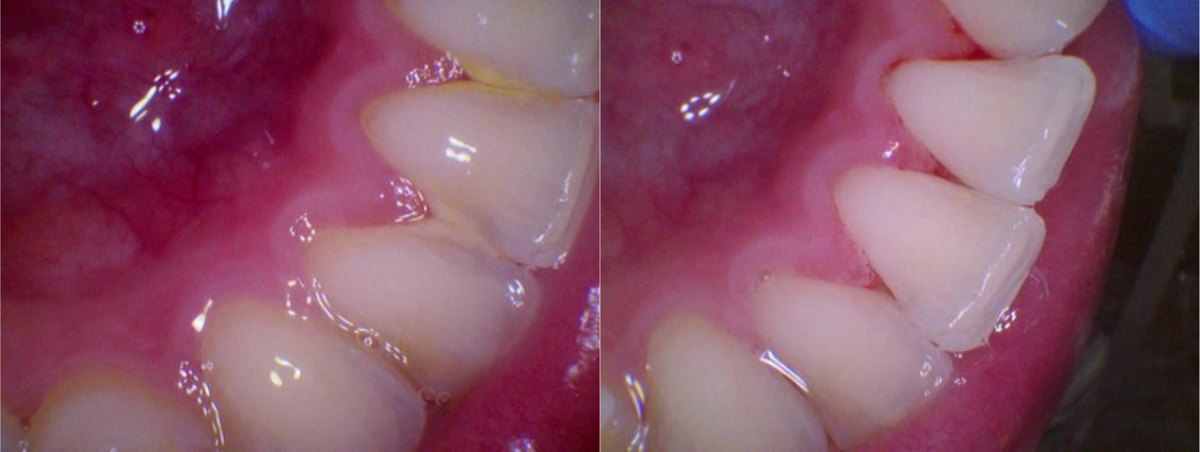
- Photographs. So you can see what we’re describing rather than take our word for it, and so next year’s version can be compared with this one.
- A 3D digital scan. A handheld scanner builds a full digital model of your teeth and bite in a couple of minutes, with no impression material. It is the most reliable way to track change over time: wear, movement, recession and shifts in the bite are obvious side by side a year later, and easy to miss otherwise.
For children, add the airway, sleep and jaw growth screen: breathing, palate development, and what you’ve noticed at night.
X-rays
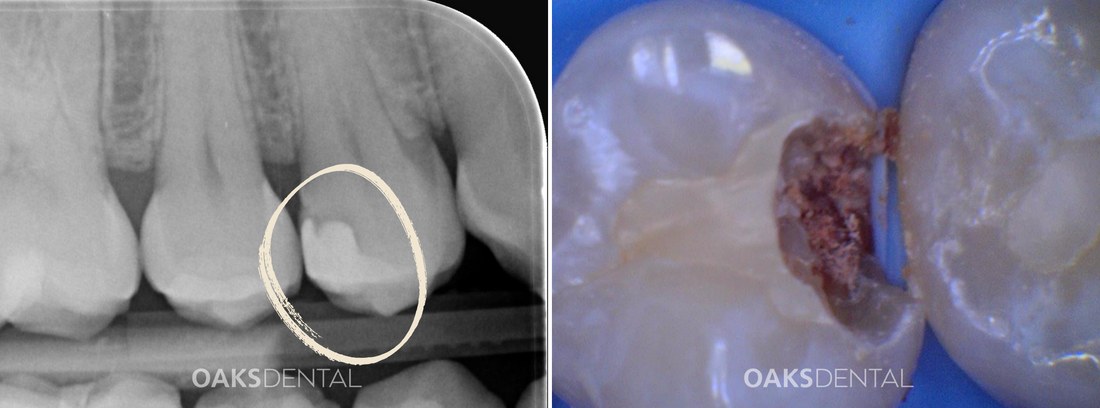
Taken where there is a clinical reason, not automatically. Decay between back teeth and bone levels around the roots are invisible to direct examination, so radiographs answer questions nothing else can, but the right interval depends on your risk, not on the calendar. If we suggest one, we’ll tell you what we’re looking for.
The clean
Two distinct things happen, and they are not equally important.
Scaling removes calculus: plaque that has hardened onto the tooth and can no longer be brushed off. It sits above and below the gumline, and the part below is the part that matters, because it holds bacteria against the tissue that anchors your teeth. This is the therapeutic half of the appointment.
Polishing removes surface stain and leaves the teeth feeling smooth, and it is doing more than that. It disrupts the biofilm, the living layer of bacteria that coats every tooth, so what grows back has to start from the beginning rather than carry on building where it left off. A clean slate, in other words, and a smooth surface is harder for plaque to get a hold on again.
Then, usually, fluoride varnish to strengthen the enamel and settle sensitivity, and for children with deep grooves in their back teeth, a conversation about fissure sealants. If you would rather avoid fluoride, say so: we keep a fluoride-free alternative made from calcium and milk protein, and it is no trouble to use instead. And a look at where your brushing is consistently missing. Everyone has a spot. Almost nobody knows where theirs is, and being shown it is worth more than being told to floss more.
The conversation
What we found, on screen, in plain words. If something needs doing you get a written plan with costs before anything starts, and where there are different reasonable approaches you get the options rather than an instruction, including what happens if you leave it, which is sometimes a legitimate choice.
How often, and why it isn’t six months for everyone
Six months is a convention, not a clinical rule, and it was never based on evidence that it suits everybody.
The right interval depends on your risk: how your gums are, how much decay you’ve had recently, whether you have a dry mouth, whether you smoke, how well things are being cleaned at home, whether you grind, and whether you have reflux. Some people genuinely need three or four monthly visits to stay stable. Plenty of low-risk adults are fine at twelve months.
We’ll tell you which you are and why, and we’d rather lengthen your recall than bring you in for the sake of it. If a practice has never explained why your interval is what it is, that’s a reasonable question to ask.
And if what has actually kept you away is the working day rather than the interval: we’re open until 7pm on Tuesdays and Wednesdays, until 6pm on Mondays and Thursdays, from 8am on Fridays, and Saturday mornings. That is deliberate, so an appointment does not have to cost you a working day.
References
Fee PA, Riley P, Worthington HV, et al. Recall intervals for oral health in primary care patients. Cochrane Database of Systematic Reviews 2020; CD004346. doi.org
National Institute for Health and Care Excellence. Dental checks: intervals between oral health reviews (CG19). www.nice.org.uk
Frequently asked questions
How long does it take?
Ninety minutes for a first visit, because that appointment covers a good deal: the full examination, bitewing x-rays where they are indicated, a 3D digital scan of your teeth and bite, the scale and clean, polishing, fluoride, and a proper conversation about what we found. After that, a periodic examination and clean usually runs between 30 and 60 minutes, depending on whether there is something new to deal with or something from last time to reassess. The full list is on our check-up and clean page.
Does a clean damage enamel?
No. Scaling removes calculus, not tooth structure. Sensitivity afterwards is usually exposed root surface that the calculus had been covering.
Why do my gums bleed when they’re cleaned?
Bleeding indicates inflammation, which means bacteria at the gumline. It typically settles within a week or two of consistent cleaning: bleeding is a reason to clean the area more carefully, not to avoid it.
Do I really need x-rays every time?
No, and you shouldn’t be having them every time. The interval should reflect your risk.
Is the oral cancer check separate?
No, it’s part of every check-up here at no extra charge and no extra appointment.
Can I just have the clean?
You can, but the examination is where problems get found. A clean on its own is maintenance without the inspection.

About the authors
Dr Emily So and Dr Alice Shan are the principal dentists and co-owners of Oaks Dental in Neutral Bay. They are committed to providing thoughtful, evidence-based care that looks beyond treating individual teeth to support each patient’s overall oral health, function and wellbeing.
Disclaimer
All dental procedures involve potential risks and benefits. The information provided in this blog is general in nature and should not be taken as medical advice. We recommend that you seek guidance from a suitably qualified health professional before making decisions about your oral health. Where appropriate, you may also wish to consider obtaining a second opinion.
Any images or videos featured are shared with the informed consent of our patients and are intended for educational purposes only. They are not a guarantee of results, as every patient is unique. Treatment outcomes, including recovery, potential complications and effectiveness, can vary from person to person.
Not sure when your teeth were last properly checked?
We are open until 7pm on Tuesdays and Wednesdays and on Saturday mornings, so a check-up does not have to cost you a working day.