
By Dr Emily So & Dr Alice Shan, Dentists
Modern cosmetic dentistry has come a long way. The treatments are gentler than they used to be, the results look more natural, and procedures are typically faster than most patients expect. If discolouration, small chips, gaps or alignment issues are affecting your confidence, there’s a good chance one of the options below can help.
Here’s a plain English guide to the main cosmetic dental procedures available today, what each one addresses, and where each tends to fit best.
Why People Actually Book
Most patients don’t book cosmetic treatment because their teeth hurt. They book because something about their smile is making them hold back: covering their mouth when they laugh, choosing closed-mouth photos, feeling self-conscious in a meeting where everyone else seems at ease.
Once the visual issue is dealt with, the change is usually broader than the dental work itself. People tell us they smile more in photos and stop thinking about their teeth in social situations. That shift is hard to quantify and easy to recognise once you have experienced it.
Teeth Whitening
Discolouration is one of the most common cosmetic complaints and one of the most straightforward to address. Stains build up from food, drinks, smoking, certain medications and gradual ageing of the tooth structure.
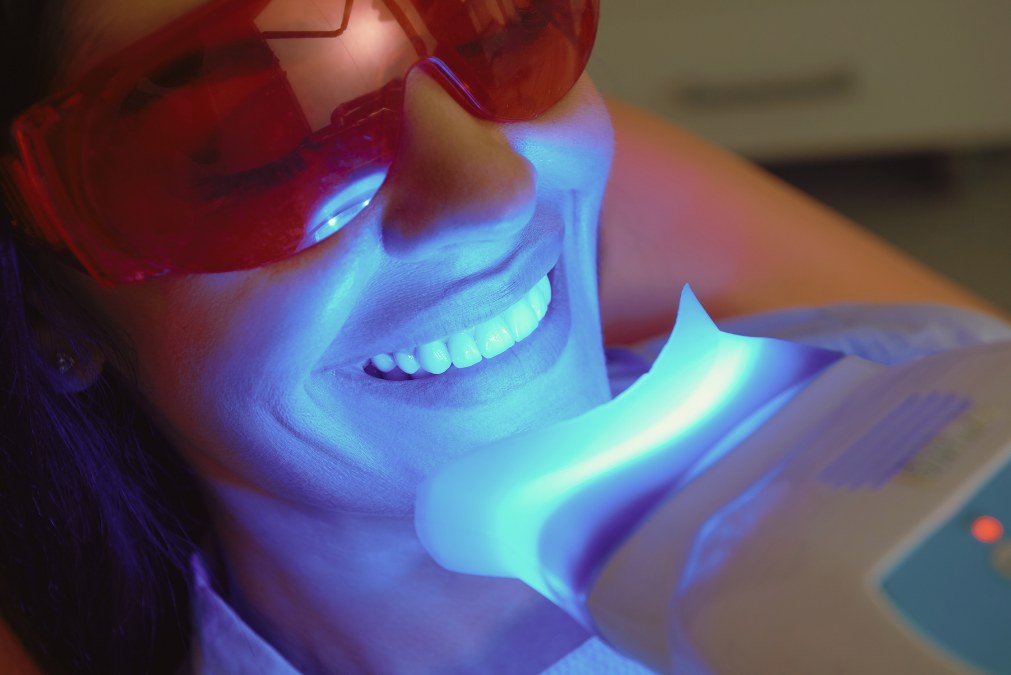
Professional whitening uses a hydrogen or carbamide peroxide gel that breaks down stain molecules within the enamel. In a clinic, the process is usually quicker and produces a more noticeable result than over-the-counter kits, because the gels are stronger and applied under controlled conditions. Take-home trays from your dentist Neutral Bay sit between the two, offering professional-grade results across two or three weeks of nightly wear.
Dental Veneers
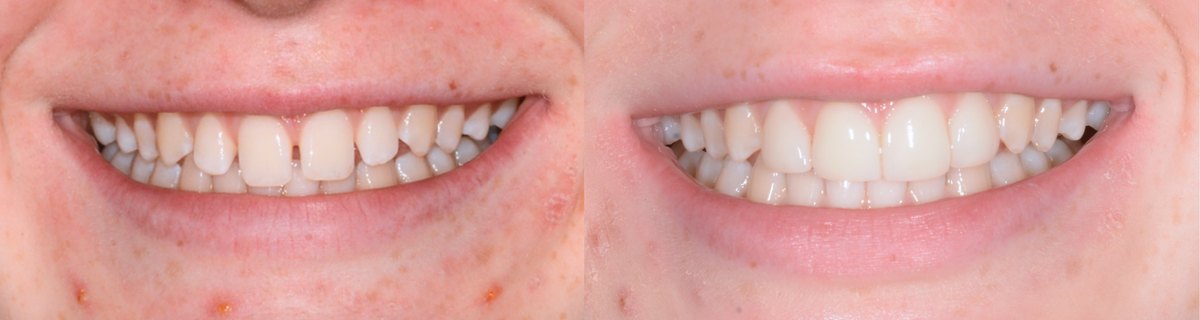
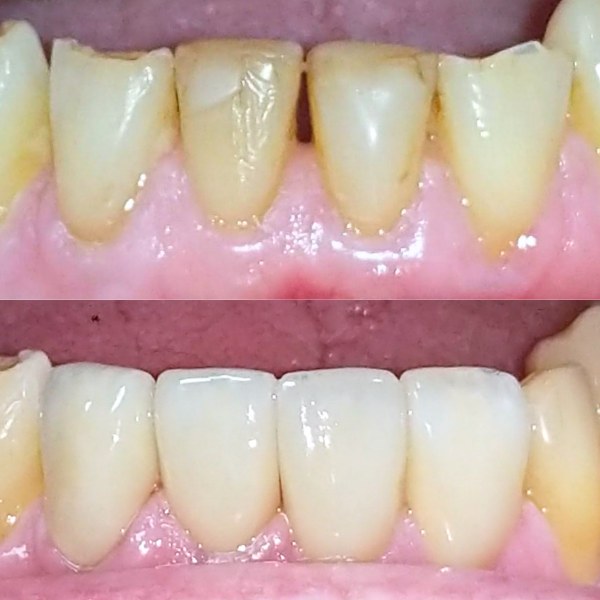
Dental Veneers are thin shells, typically porcelain or composite, that fit over the front surface of a tooth. They’re a versatile option for patients dealing with several cosmetic concerns at once: discolouration that doesn’t respond to whitening, small chips, slightly misaligned teeth, uneven shapes, or small gaps between front teeth.
Porcelain veneers cost more upfront but tend to last longer and resist staining better than composite. Composite veneers are typically completed in one appointment and are more budget-friendly, though they need replacement sooner.
Clear Aligners
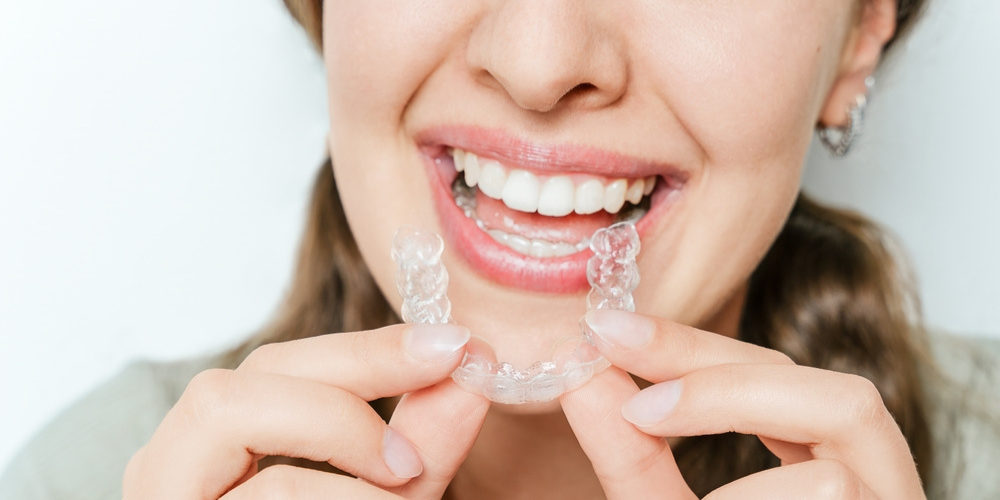
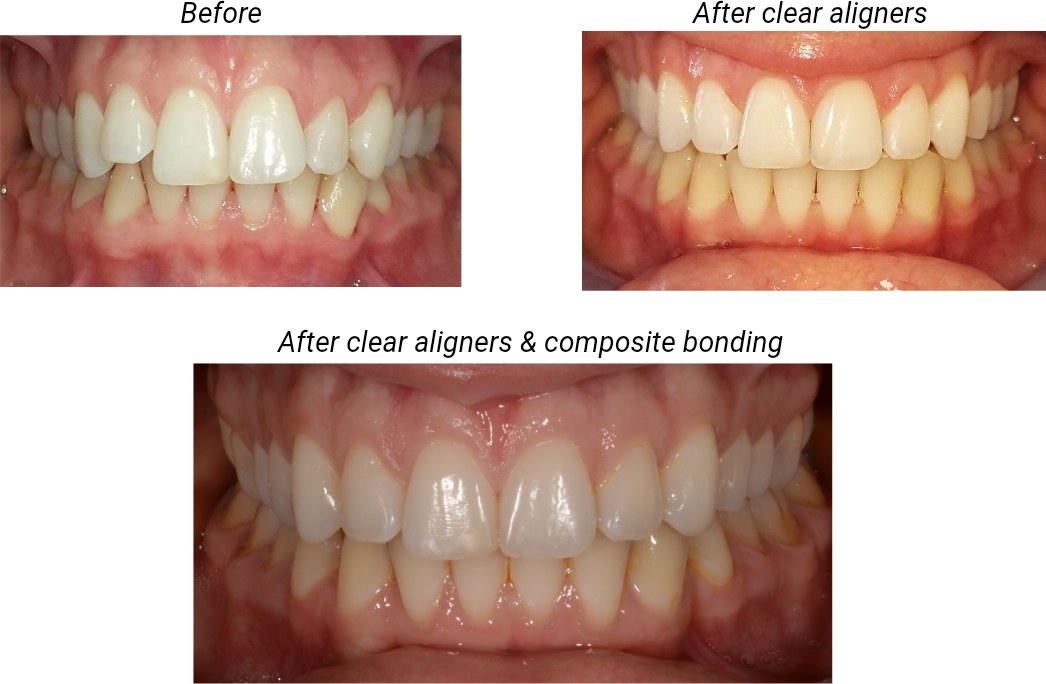
Clear aligners are a discreet alternative to traditional braces, suited to mild to moderate alignment issues. The trays are made from a medical-grade plastic and worn for around twenty-two hours a day, with a new set every couple of weeks as the teeth gradually shift into place.
Treatment usually takes between six and eighteen months, depending on how much movement is required. Because the aligners are removable, eating and cleaning your teeth carry on normally throughout the treatment.
Dental Bonding
Bonding is the quickest and most affordable cosmetic option for small repairs. A tooth-coloured composite resin is shaped onto the tooth and cured with a special light, blending into the surrounding enamel. It’s well suited to small chips, hairline cracks, minor gaps and isolated areas of discolouration.
Most bonding can be completed in a single visit with no anaesthesia required. The trade-off is durability: bonding doesn’t last as long as veneers or crowns, and it can pick up stains over time.
Dental Crowns
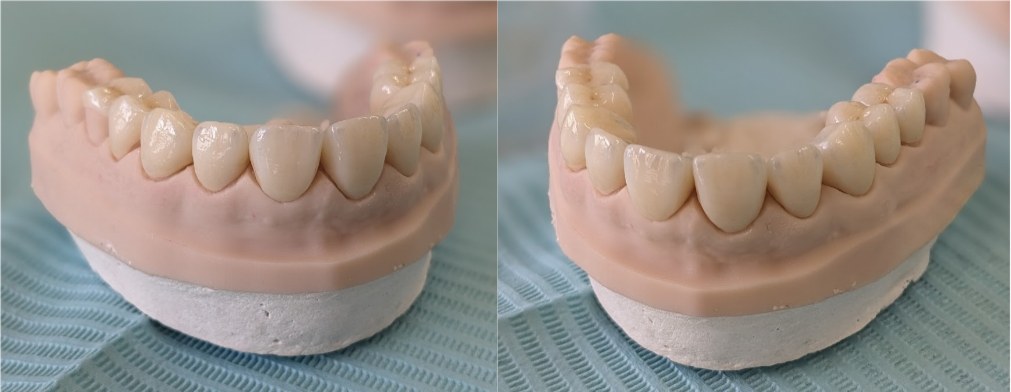
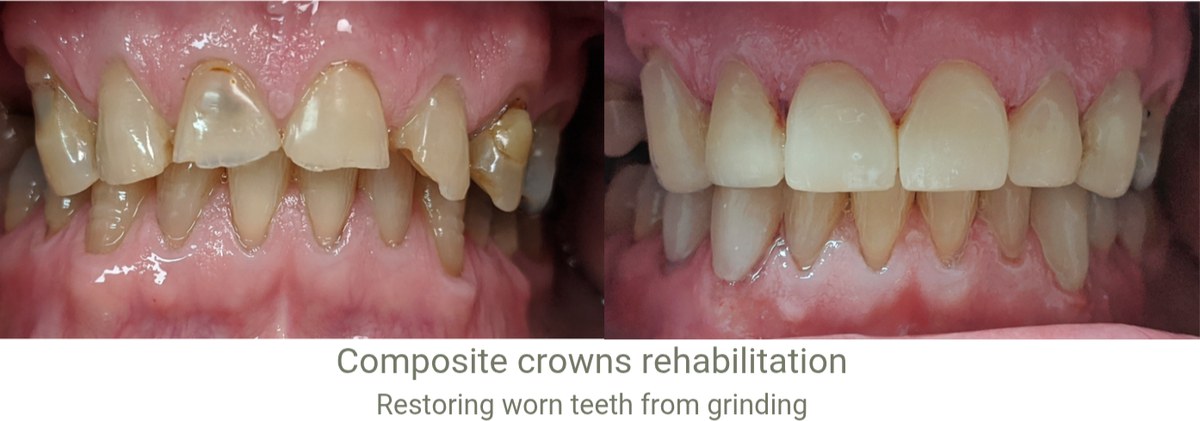
Crowns are custom-made caps that fit over a damaged or weakened tooth, restoring both its strength and its appearance. They come up most often after root canal treatment, or where a tooth is heavily worn, cracked or broken down to the point that a filling will not hold it together. Because the crown covers the whole tooth, it can also correct colour and shape at the same time, which is why a tooth that needed protecting often ends up looking better than it did before.
Dental Implants
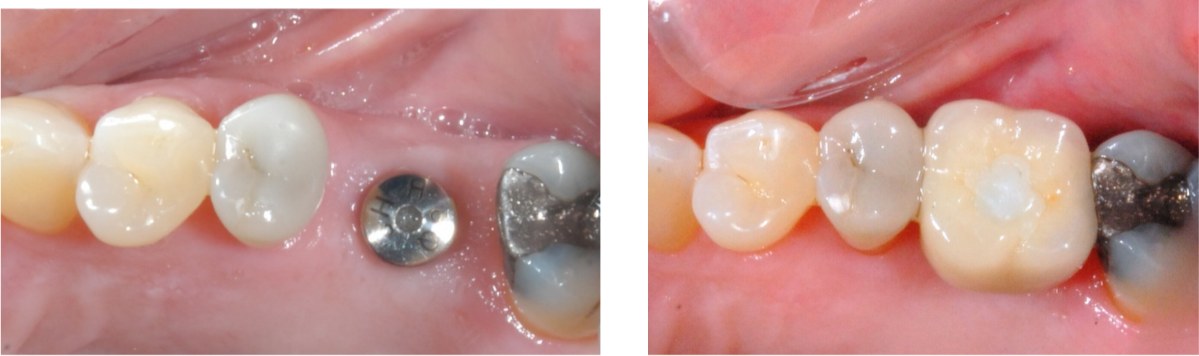
Implants are technically restorative rather than purely cosmetic, but they sit on this list because of what they do for a smile. An implant replaces a missing tooth with a titanium post placed in the jawbone, topped with an abutment and a custom crown that matches your surrounding teeth.
The result looks and functions like a natural tooth, with no impact on the teeth either side (unlike a bridge, which relies on adjacent teeth for support). The full treatment takes several months because the implant needs to fuse with the bone, but the outcome is typically long lasting.
The Oral Health Side
Cosmetic dentistry is not separate from general dentistry, and most of these treatments do something structural as well as visual. Crowns and veneers protect tooth structure that would otherwise keep wearing down. Aligners can correct a bite that is loading certain teeth unevenly. Bonding seals small chips and cracks that might otherwise grow. Whitening is the exception, in that it does not change the tooth structure at all, though it does tend to make people more careful with their teeth afterwards.
It also runs the other way: healthy teeth and gums come first. If there is decay, gum disease or a cracked tooth to deal with, that gets sorted before any cosmetic work starts.
Cosmetic Dentistry in Neutral Bay
At Oaks Dental, our cosmetic dentists in Neutral Bay take time to understand what you’d like to change about your smile before recommending any treatment. Some patients only need one procedure. Others benefit from a combination of treatments tailored to their situation. Either way, the starting point is a proper consultation and an honest conversation about what’s realistic for your case.
Being on Military Road means most people fit appointments around work, so cosmetic treatment is easier to plan once we know what your timeline actually looks like. Book a consultation to discuss which options suit your smile and your budget.
Frequently Asked Questions
Are cosmetic dental procedures suitable for everyone?
Most cosmetic treatments are suitable for adults with healthy teeth and gums. Your dentist will assess your oral health first and let you know if any underlying issues need addressing before cosmetic work begins.
Is cosmetic dentistry uncomfortable?
Most cosmetic treatments involve minimal discomfort. Where needed, local anaesthesia is used to keep the procedure comfortable. Mild sensitivity afterwards is common but usually short lived.
How do I work out which treatment is right for me?
A consultation is the only reliable way to answer this. Your dentist will look at the condition of your teeth and gums, discuss what you’d like to improve, and walk you through the options that suit your situation.
Is cosmetic dentistry only about appearance?
The focus is on appearance, but most cosmetic treatments also protect or strengthen the tooth underneath. Aligners can improve how the bite loads, crowns reinforce weakened teeth, and bonding seals small defects that might otherwise worsen.
How do I keep the results looking good?
A consistent cleaning routine, regular check-ups, and avoiding the habits that stain or damage teeth, such as smoking or chewing hard objects. We will give you specific care advice for whichever treatment you have had, since veneers, bonding and whitening each age differently.