
By Dr Emily So & Dr Alice Shan, Dentists
A confident smile naturally draws attention in meetings, photos and social settings. If you’ve ever caught yourself closing your mouth in a photo or holding back a laugh, you already know what we mean.
A smile makeover isn’t a single procedure. It’s a personalised plan that combines two or more cosmetic dental treatments to address the specific issues holding your smile back. Done well, it can deliver a change that looks natural rather than dramatic, while supporting your overall oral health at the same time.
Here are five signs a smile makeover might be worth considering.
1. Discoloured or Stained Teeth
Yellowing and staining are easily the most common cosmetic concerns we see. Tea, coffee, red wine, smoking and the simple passage of time all chip away at the brightness of natural enamel. The dentine underneath darkens slightly with age too, which adds a yellow tone even in mouths that have never touched coffee.
Over-the-counter whitening products can help with surface stains but the results are usually mild and short lived. Professional teeth whitening treatment, carried out under dental supervision,
2. Chipped, Cracked or Worn Teeth
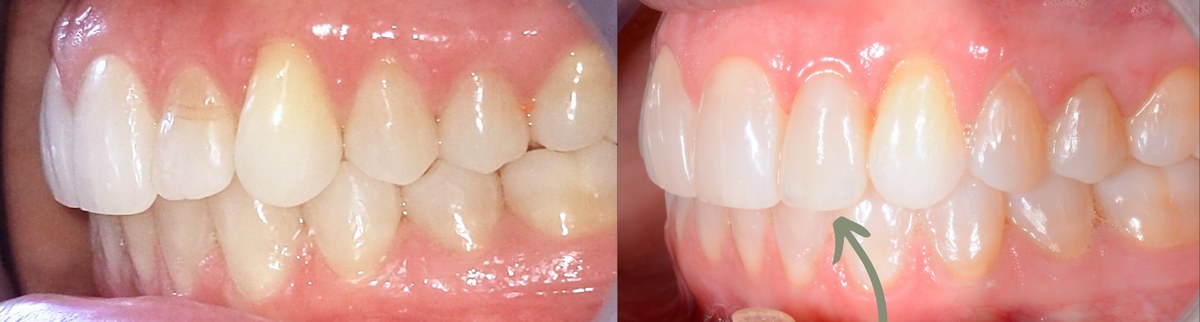
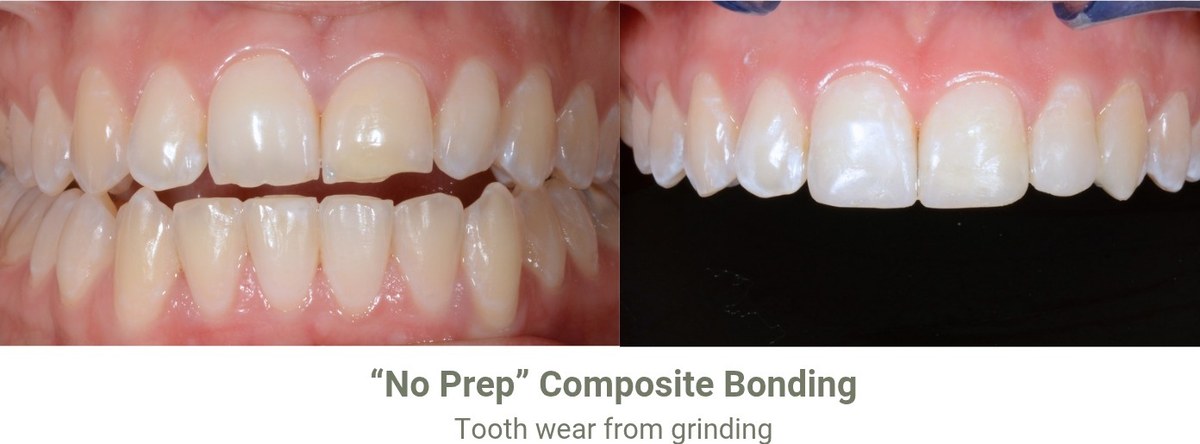
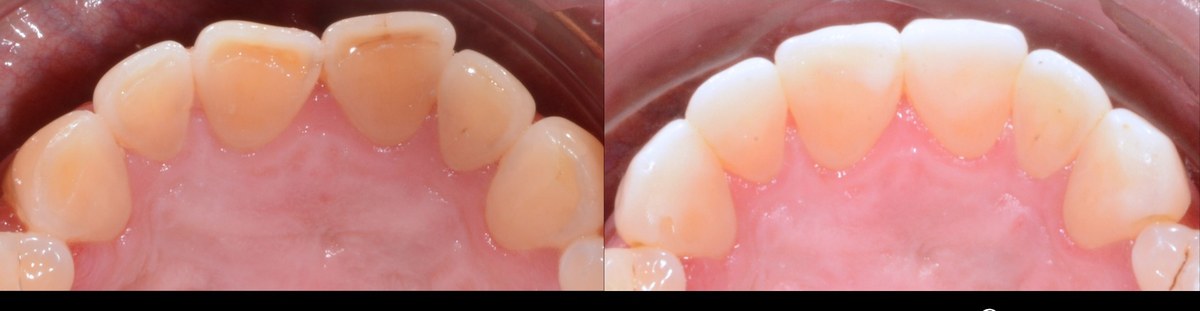
Small chips and cracks change the symmetry of a smile more than people expect. They can come from accidents, biting on hard food, or years of grinding (bruxism) that often goes unnoticed. Some are cosmetic only. Others expose deeper layers of the tooth and need attention to prevent further damage.
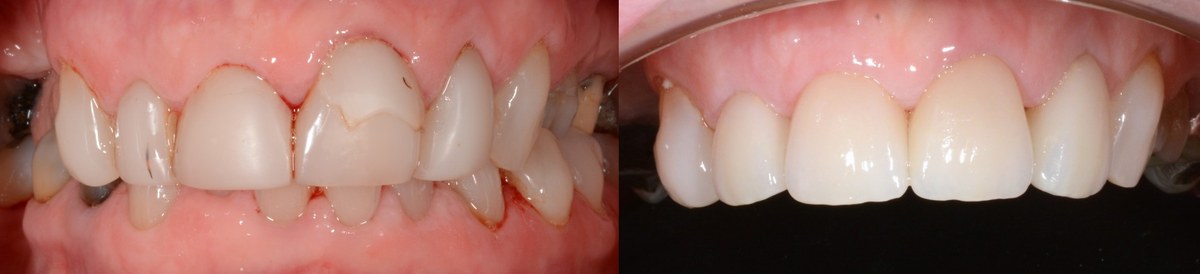
Cosmetic dentistry offers a few different ways to deal with this, including composite bonding, porcelain veneers and dental crowns.
3. Gaps or Misaligned Teeth
Spaces and crookedness are partly an aesthetic issue and partly a functional one. Misaligned teeth can affect bite, speech and how easily you can clean between teeth, which then has flow-on effects for gum health.
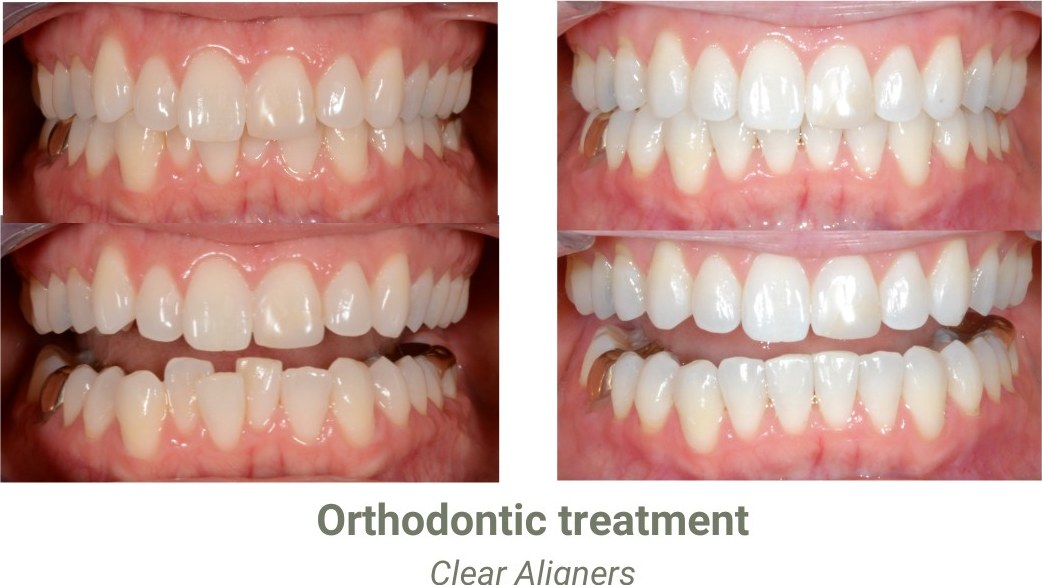
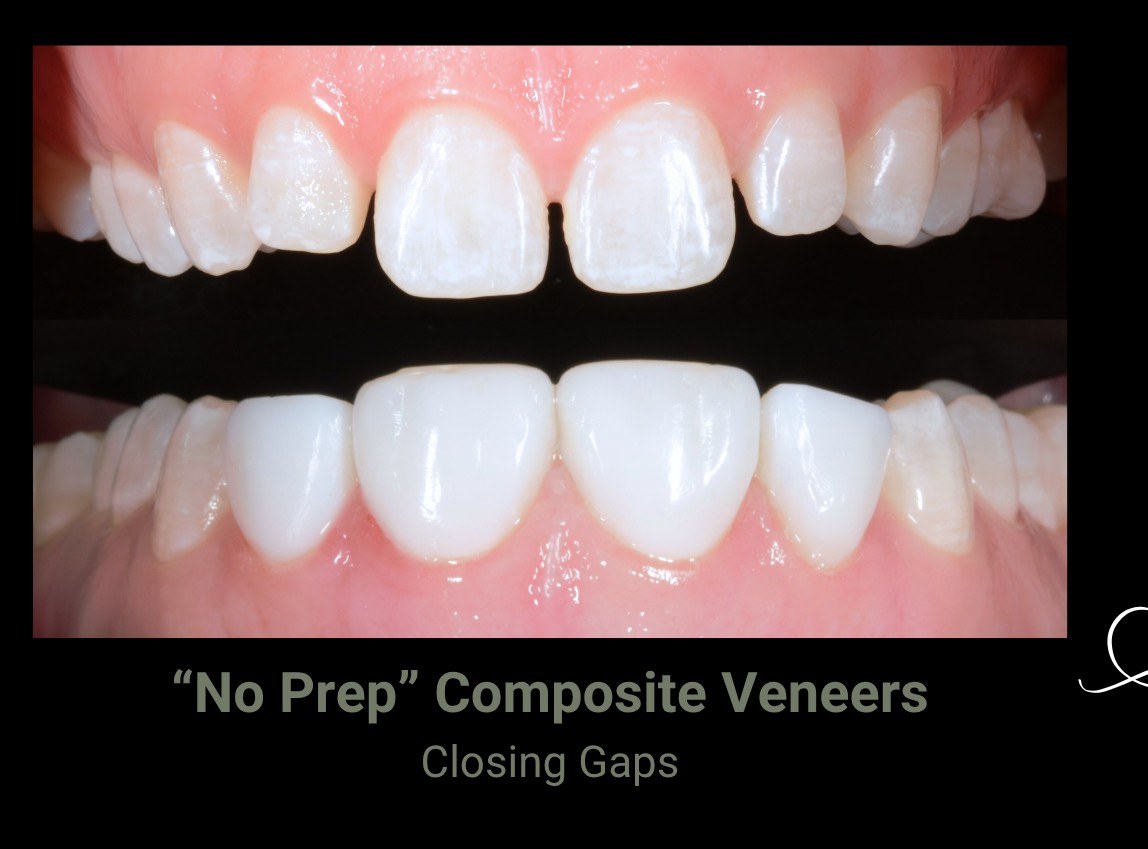
Clear aligners are a popular option for mild to moderate alignment issues, while veneers can sometimes close small gaps cosmetically when orthodontic treatment isn’t required.
4. You’ve Stopped Smiling in Photos
This is the quietest sign on the list, and the one people most often dismiss. If you’ve started covering your mouth when you laugh, choosing closed-mouth photos, or feeling self-conscious in meetings, your smile is affecting your confidence whether you’ve consciously thought about it or not.
A makeover doesn’t aim to give you someone else’s smile. It works with what you already have, refining the parts that bother you so the smile you’ve always had feels like one you’re happy to show.
5. A Worn or Aged Look
Teeth wear down over time. The edges flatten, the enamel thins, and the natural shape that gave your smile its character softens after years of chewing and grinding. Some people notice this as their teeth looking shorter or darker than they used to. Others just feel their smile has lost something they can’t quite name.
Personalised Smile Makeovers in Neutral Bay
At Oaks Dental, our cosmetic dentists in Neutral Bay take a tailored approach to every smile makeover. We look at what you don’t like about your current smile, what you’d like it to feel like, and what your teeth and gums need from a health perspective, then design a treatment plan around all three. No two plans look exactly alike, because no two smiles do.
The conversation usually starts after a wedding or a set of work headshots, and in Neutral Bay it is often someone who has put it off for a decade and has finally found a reason not to. If a few things on this list rang true, book a consultation and we’ll talk through your options.
Frequently Asked Questions
What does a smile makeover involve?
A smile makeover combines two or more cosmetic dental treatments into a single tailored plan. Common combinations include whitening with veneers or bonding, or aligners followed by whitening once teeth are in their new position.
Is there an ideal age for a smile makeover?
No. Anyone with healthy teeth and gums can consider cosmetic treatment, though your dentist will check that your oral health is stable before recommending a plan.
How long do the results last?
It depends on the treatments involved. Porcelain veneers may last ten to fifteen years with proper care, while whitening results typically last one to three years depending on your habits. A consistent daily routine and regular checkups extend the lifespan of any cosmetic treatment.