
NEUTRAL BAY | RESTORATIVE DENTISTRY
Dental Fillings at Oaks Dental
Restore strength, comfort, and confidence to your smile — gently and beautifully.
Dental fillings are one of the most common and effective ways to restore teeth affected by early decay, enamel wear, or small fractures. These issues often begin subtly, and many people don’t feel discomfort until the problem becomes more advanced. Treating a cavity early helps protect your tooth from deeper damage and prevents the need for more complex treatments later on.
At Oaks Dental, our approach to fillings is centred on precision, comfort, and long-term function. We use modern, tooth-coloured materials and gentle techniques to ensure your restored tooth looks and feels natural.
What are dental fillings?
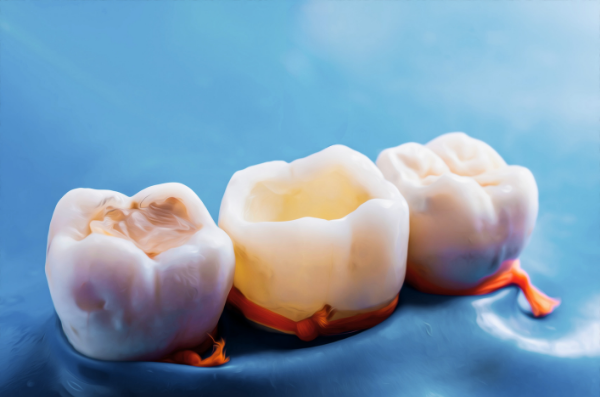
A dental filling rebuilds the part of a tooth that has been weakened by decay, erosion, wear, or minor cracking. Once the damaged portion is removed, a filling material is placed to restore the tooth’s shape, strength, and function.
At Oaks Dental, we use:
Composite Resin
A tooth-coloured material that bonds to your enamel, allowing conservative restoration with a seamless, natural finish.
Ceramic (Porcelain) Fillings
A highly durable, stain-resistant option that may be recommended for larger restorations where extra strength is needed.
Both options are designed to blend beautifully with your natural teeth, offering both function and aesthetics.
What happens during a dental filling appointment?
Our process is designed to be comfortable, calm, and efficient:
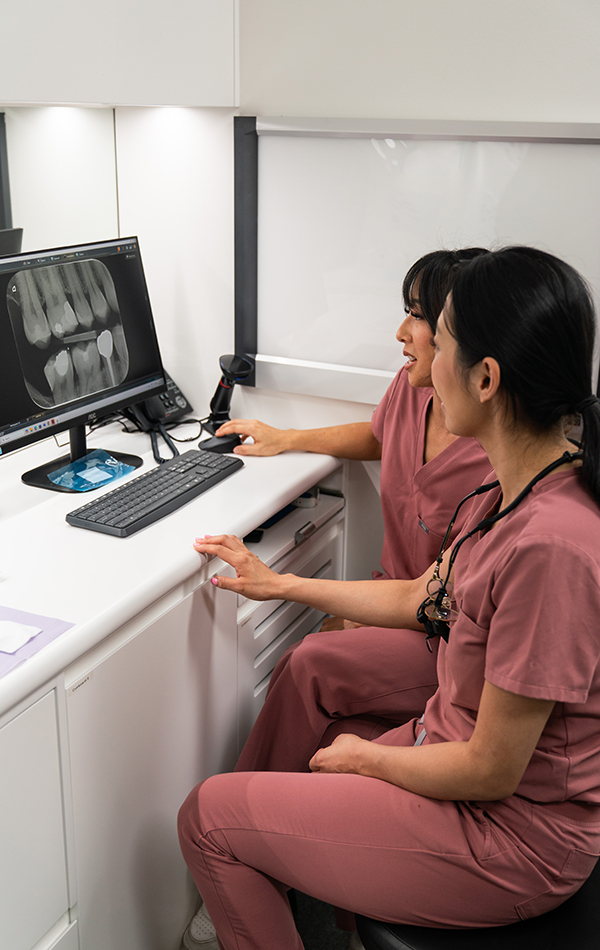
1. Examination & X-rays
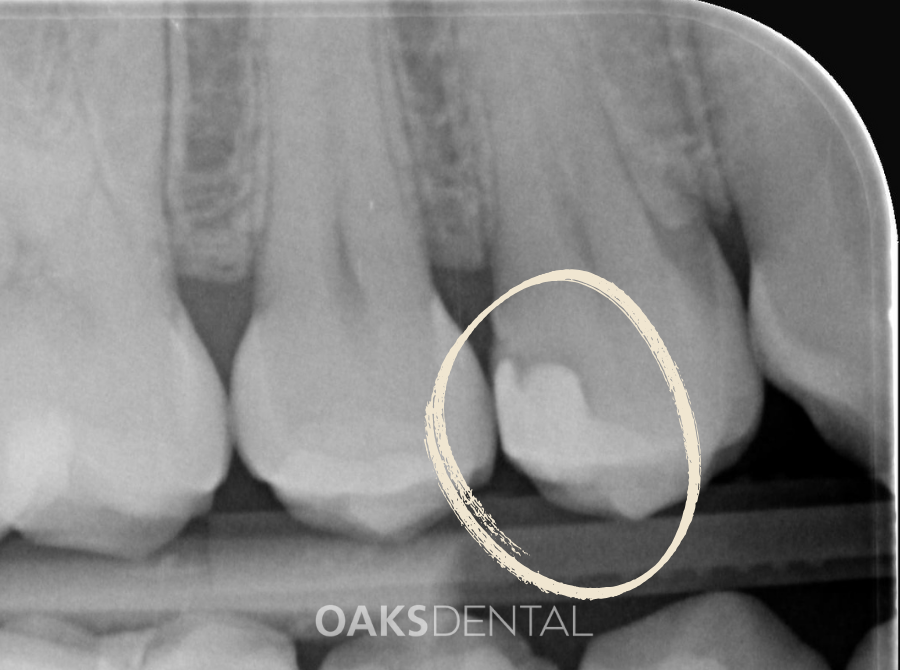
We begin with a thorough assessment, including X-rays where needed, to determine the size and location of the decay or damage.
2. Local Anaesthetic
If required, a strong numbing gel followed by local anaesthetic ensures you are completely comfortable throughout the procedure.
3. Preparation of the Tooth
The weakened portion of the tooth is gently removed, and the area is cleaned thoroughly to create a healthy foundation for the filling.
4. Application of the Filling
High-quality composite resin is placed in layers, shaped carefully, and set with a specialised light.
We routinely use a rubber dam to keep the tooth dry, enhance adhesion, and improve long-term success.
5. Shaping & Final Checks
Once the filling is hardened, we refine its shape, check your bite, and ensure the restored tooth looks and feels just right.
The result is a natural-looking, functional tooth that supports your long-term oral health.
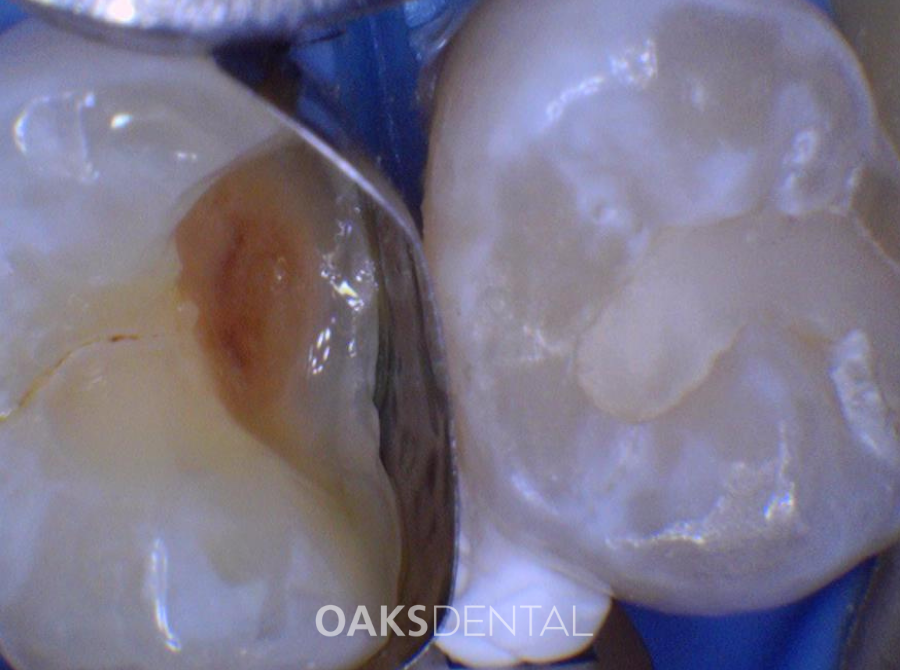
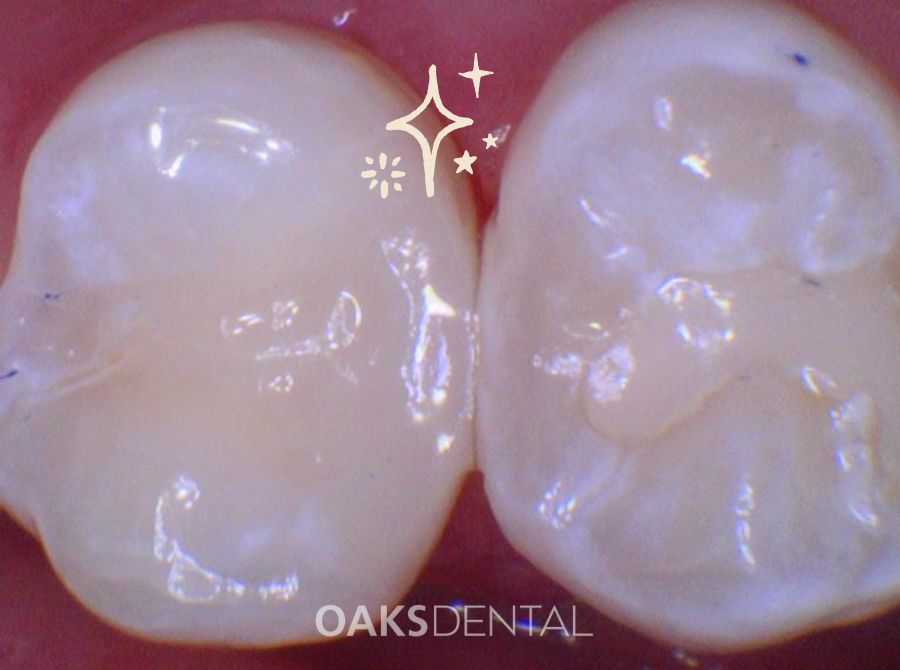
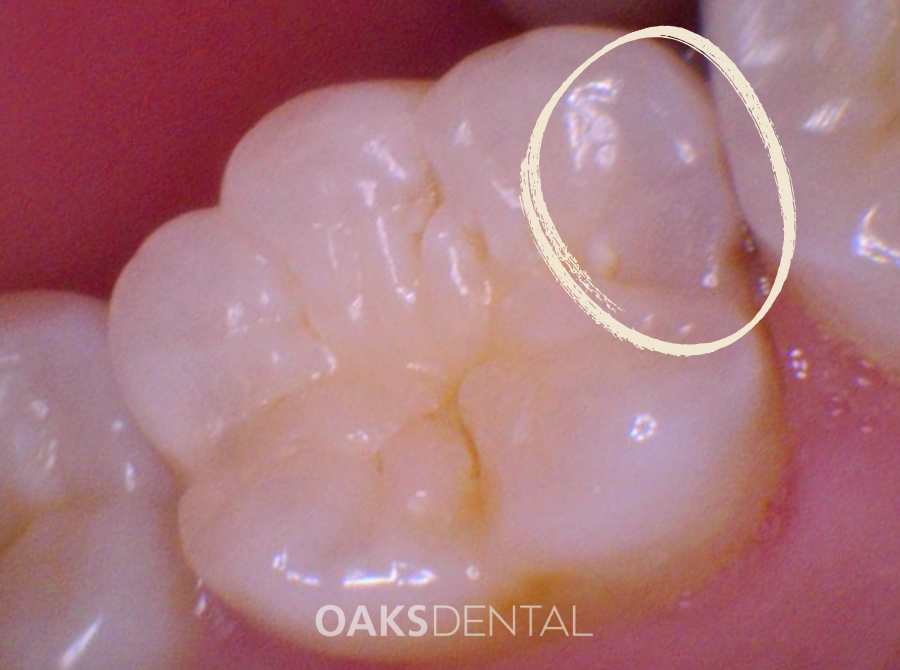
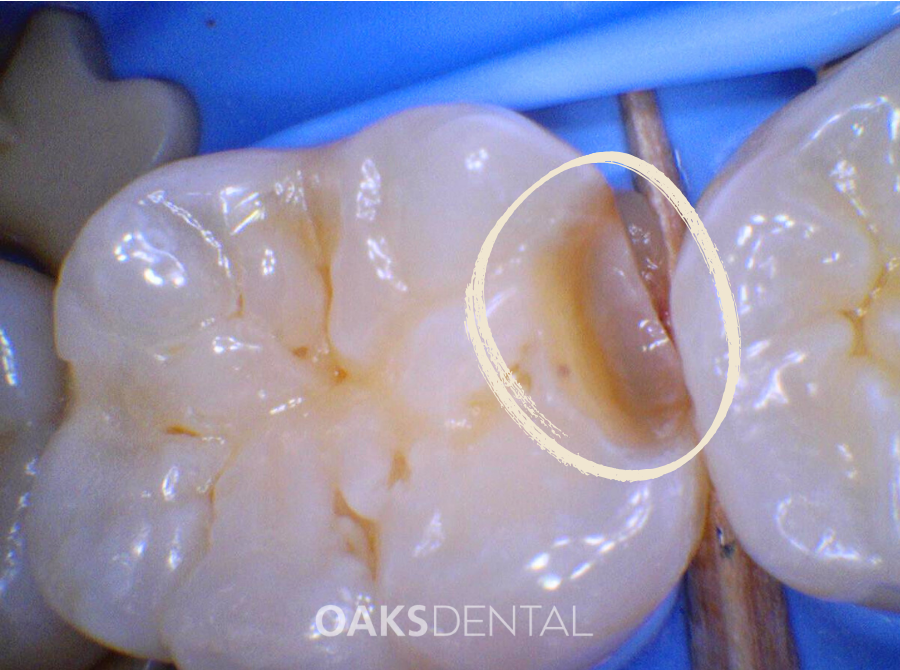
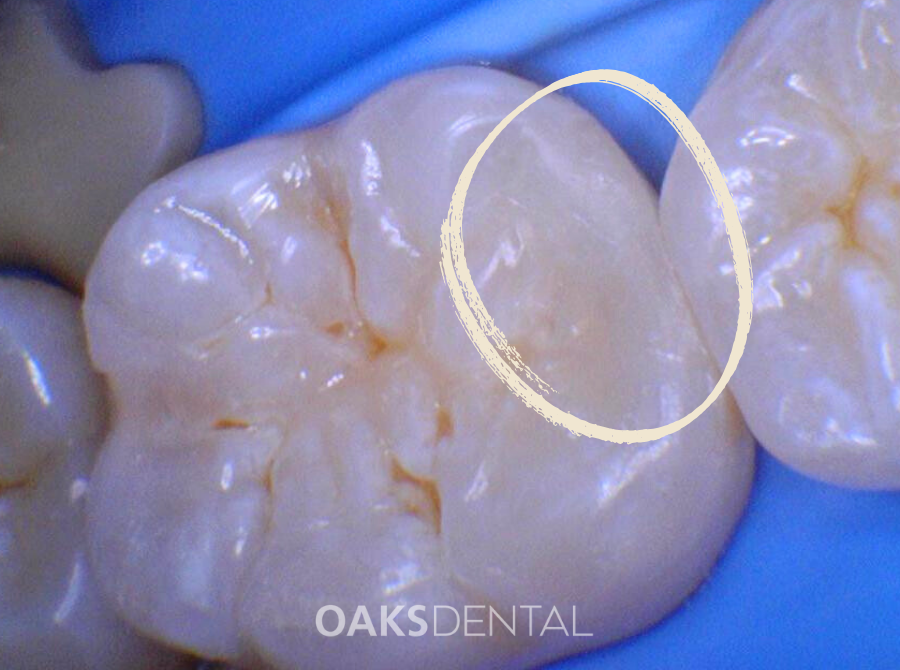
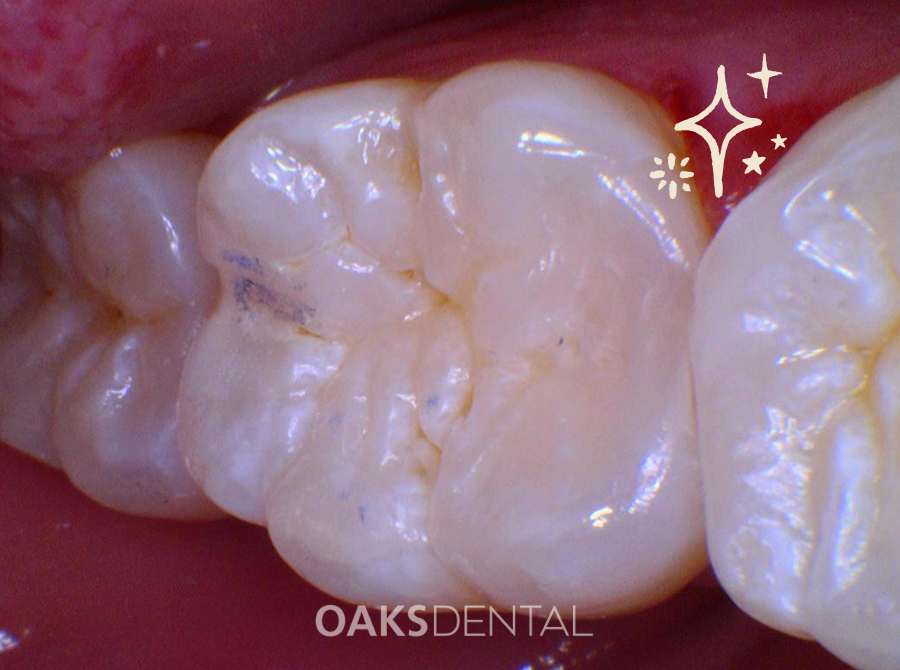
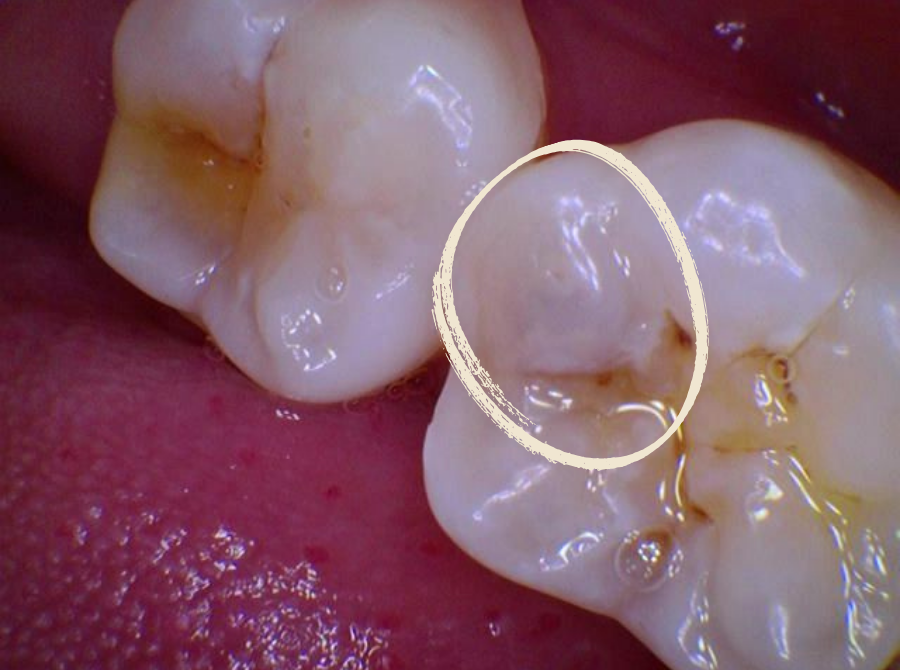
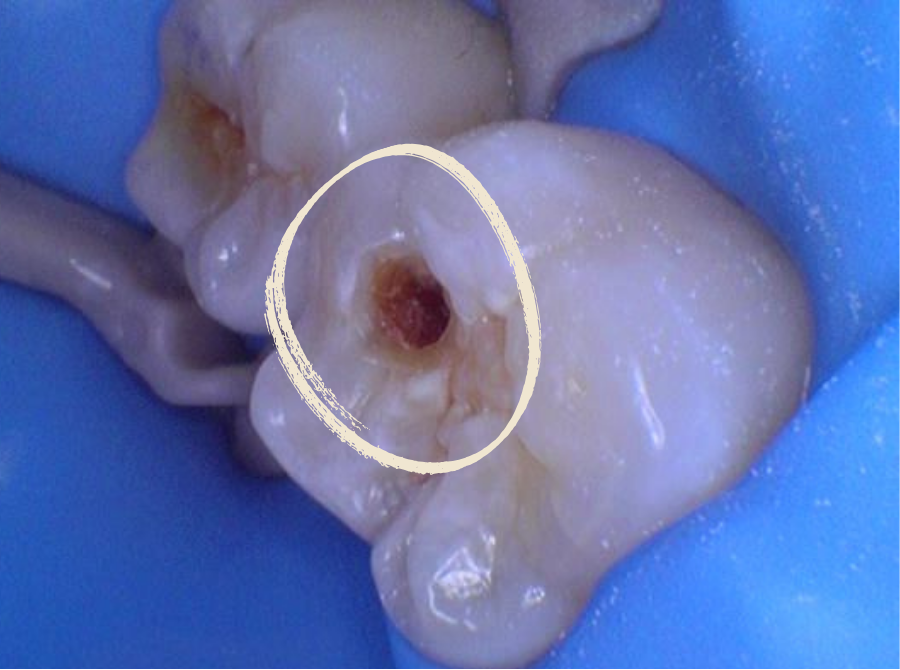
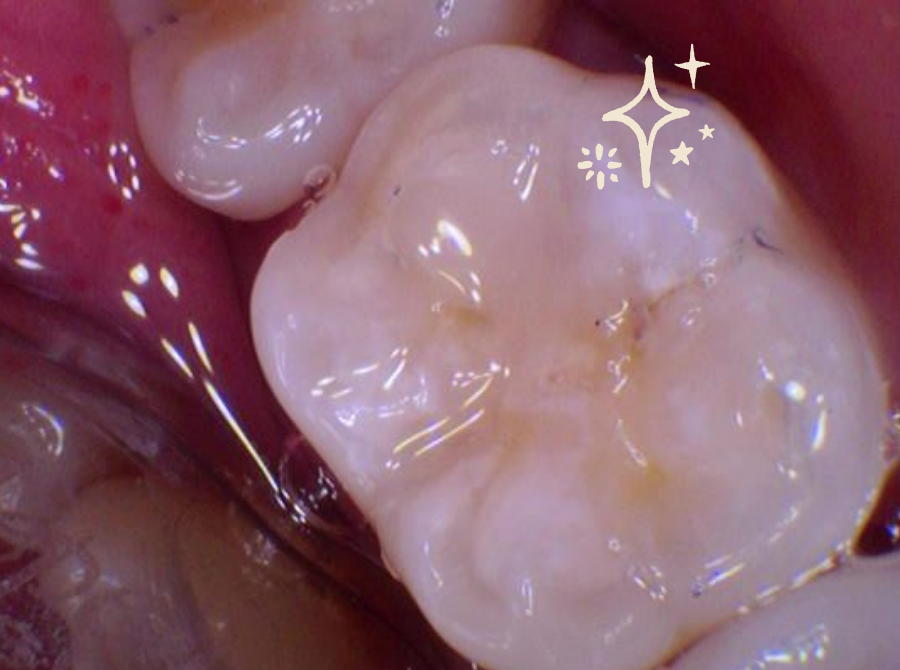
Cavities Explained: Causes, Symptoms & Why You Would Need a Dental Filling
What causes tooth decay?
Tooth decay results from a combination of factors, including:
- Plaque buildup from bacteria and food particles
- Sugary or acidic foods and drinks
- Infrequent brushing or flossing
- Teeth grinding (bruxism) that weakens enamel
- Acid erosion from diet or reflux
- Old or worn fillings that need replacing
- Deep grooves or tight spaces that are harder to clean
Even with good habits, some people are naturally more prone to decay due to enamel composition, saliva flow, or genetics.
How Do I Know if I Need a Filling?
You may need a filling if you experience:
- Sensitivity to cold, heat, or sweets
- Pain when chewing
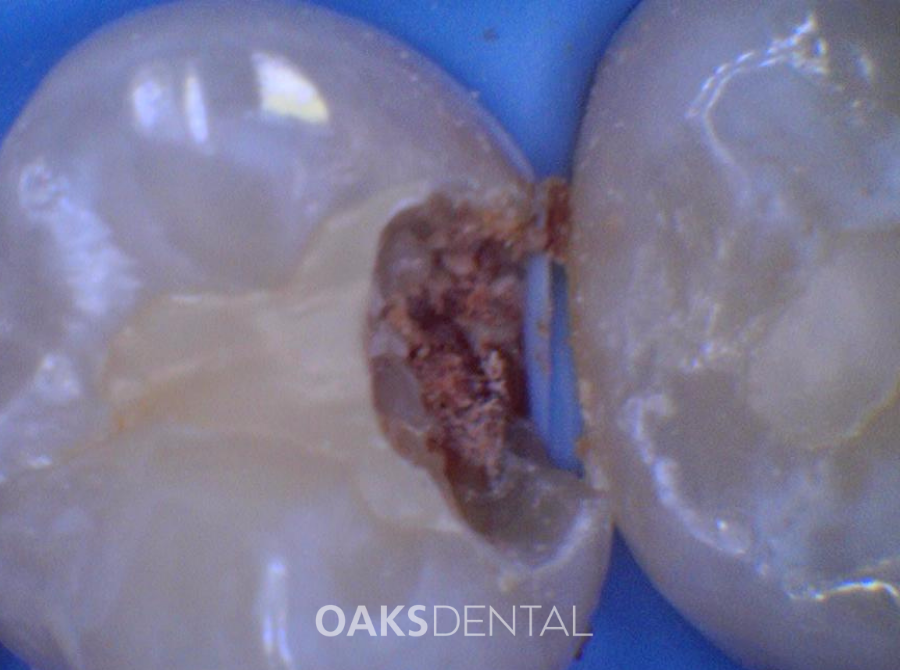
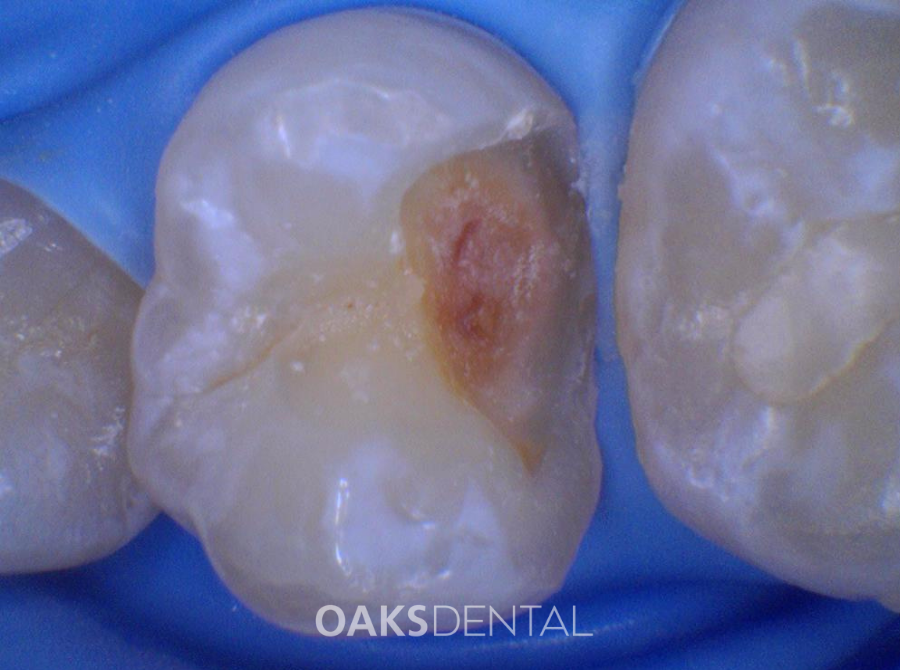
- A visible hole or dark spot on a tooth
- A chipped or rough edge
- Food packing between teeth
- A feeling that something “just doesn’t feel right”
However, cavities can also develop with no noticeable symptoms.
A dental examination and X-ray remain the most reliable ways to assess whether a filling is required.
What Happens if I Don’t Get a Dental Filling?
Untreated cavities always continue to progress. Without intervention, you may experience:
- Worsening sensitivity or pain
- Decay spreading into the deeper layers of the tooth
- Infection or abscess
- Cracks or fractures in weakened teeth
- The need for more advanced treatment such as a crown or root canal
- In severe cases, tooth loss
A simple filling now can prevent more significant issues in the future.
Why choose Oaks Dental for your Dental Fillings

A Focus on Comfort
We use strong numbing gel, gentle techniques, and calming communication to make your experience as smooth as possible. Many patients enjoy watching TV or listening to music throughout their appointment.
Natural-Looking Results
Our tooth-coloured composite and ceramic materials blend seamlessly with your enamel, restoring both function and aesthetics.
Durable, High-Quality Materials
Your filling is crafted with carefully selected materials designed for strength, stability, and long-term performance.
A Supportive, Person-Centred Approach
We understand dental treatment can feel daunting. We take the time to explain each step, answer your questions, and ensure you feel supported throughout your care.
Frequently Asked Questions About Dental Fillings
How long do dental fillings last?
The lifespan varies depending on material choice, oral hygiene, and tooth location. Your dentist will advise on expected longevity and maintenance.
Will my filling be noticeable?
Tooth-coloured fillings are designed to blend with your natural enamel, making them barely visible.
Does getting a filling hurt?
Local anaesthetic ensures the procedure is comfortable. You may feel pressure or mild sensitivity afterward, which usually settles quickly.
Can I eat straight after a filling?
You can usually eat once the numbness wears off. Your dentist will guide you based on the type of filling and your specific treatment.
Why do old fillings need replacing?
Fillings can wear, chip, or loosen over time, which may allow bacteria to enter. Regular dental check-ups help monitor their condition.
Are ceramic fillings better than composite?
Different materials suit different situations. Ceramic may be recommended for larger restorations, while composite is ideal for smaller or more cosmetic areas.
Disclaimer
The information provided is general in nature and does not constitute personal dental advice. A comprehensive examination with a registered dental practitioner is required to assess your individual needs and determine appropriate treatment options.
All dental procedures carry risks and may not be suitable for every individual. Outcomes, longevity, and materials used vary depending on each patient’s oral health, habits, and clinical circumstances. Diagnostic procedures, such as x-rays, are only recommended where clinically necessary.